
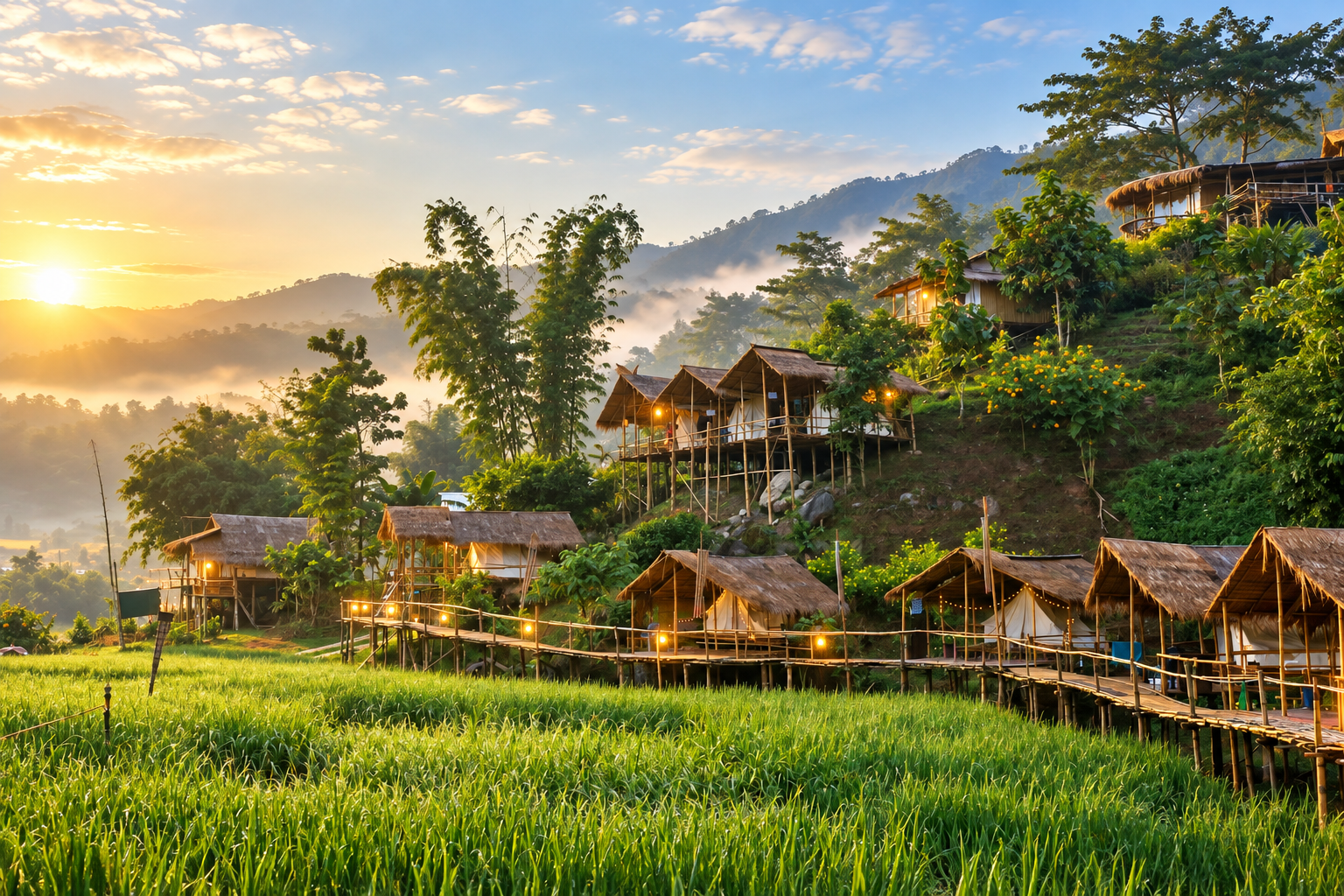
Beyond the lively streets of Chiang Mai and the familiar mountain destinations of northern Thailand, a different kind of journey awaits. Hidden among forested hills and quiet valleys are small villages where life still follows the rhythms of nature, the changing seasons and local traditions.
Some are surrounded by towering mountains, others by streams and rice fields. Wooden houses stand along narrow village lanes, and mornings begin with birdsong, cool mountain air and the smell of breakfast being prepared in family kitchens.
These villages are not entirely untouched by tourism. Some have become popular destinations, while others remain relatively little known. Yet each offers an opportunity to experience northern Thailand beyond its famous landmarks — through local homestays, traditional food, beautiful landscapes and the simple pleasure of spending time somewhere different.
Here are four villages worth staying a little longer for.
1. In the Shadow of Chiang Dao
Ban Na Lao Mai, Chiang Mai
Imagine opening your bedroom window to find an enormous limestone mountain rising directly in front of you.
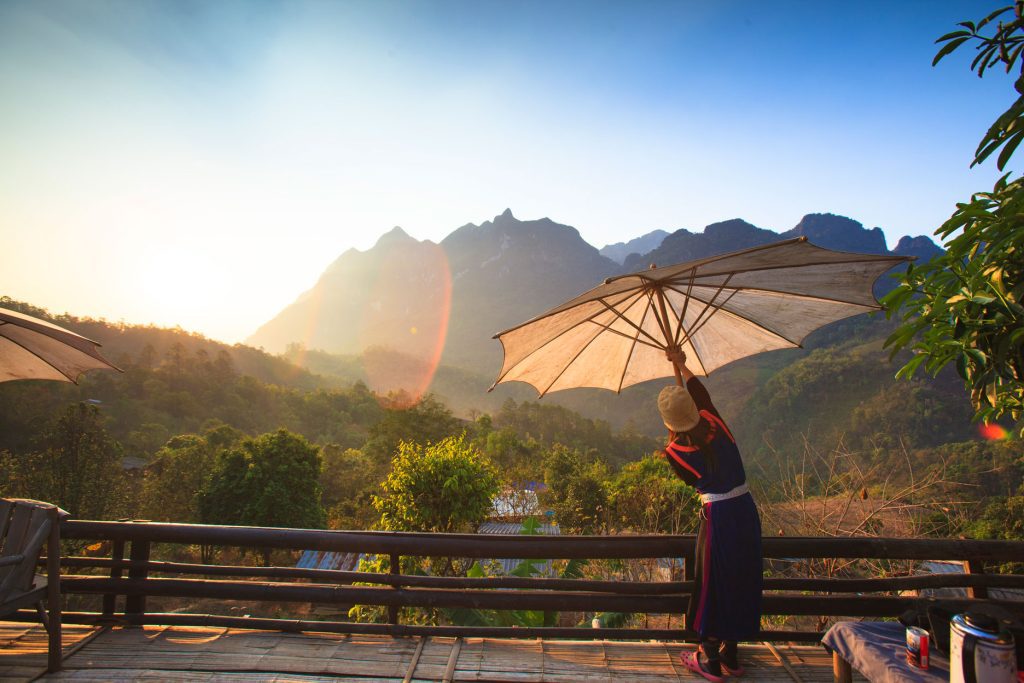
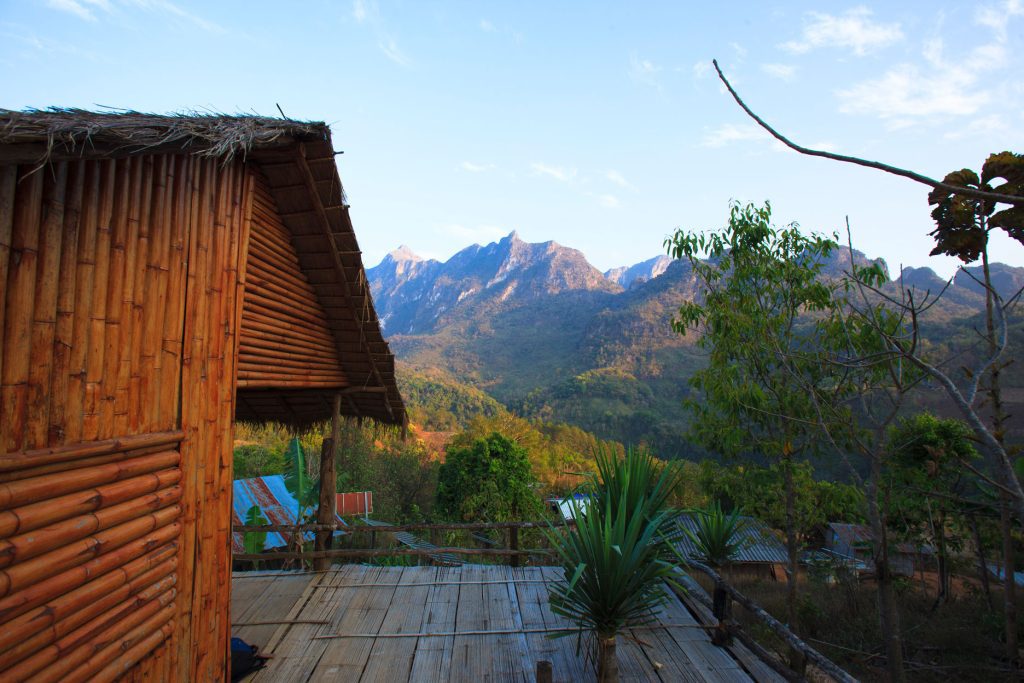
This is the extraordinary setting of Ban Na Lao Mai, a small Lisu village tucked into the hills behind Doi Luang Chiang Dao, one of Thailand’s most impressive mountains. Rising more than 2,000 metres above sea level, its dramatic peaks dominate the landscape, creating a view that changes constantly with the light and weather.
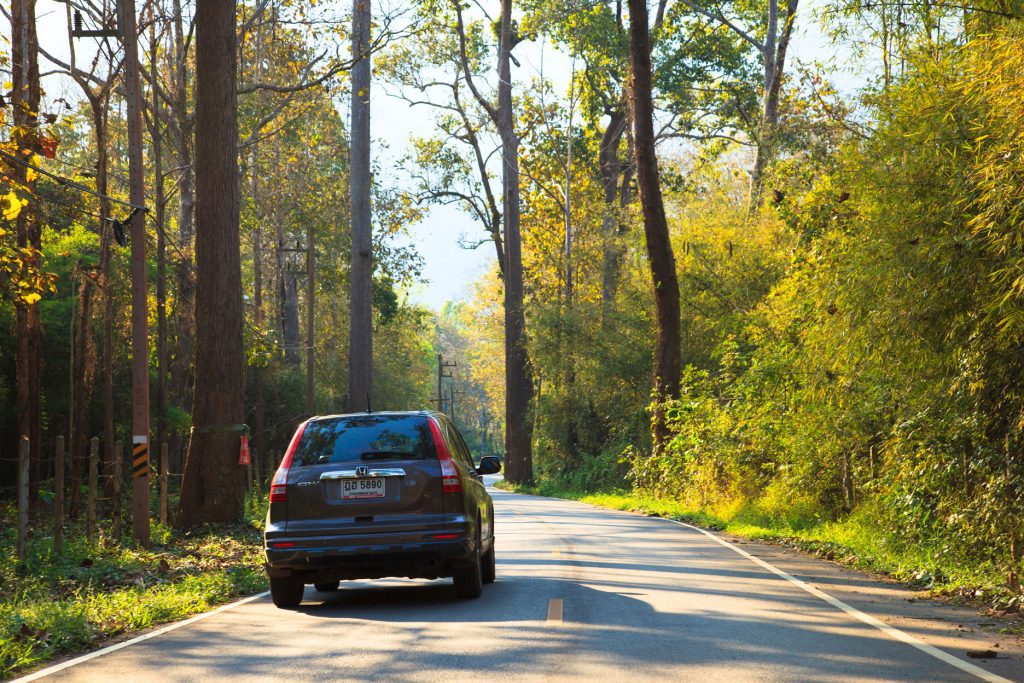
The journey to the village follows a winding mountain road. Although the distance from Chiang Dao town is relatively short, the climb takes visitors into a quieter world of hillside homes, small farms and spectacular mountain scenery.
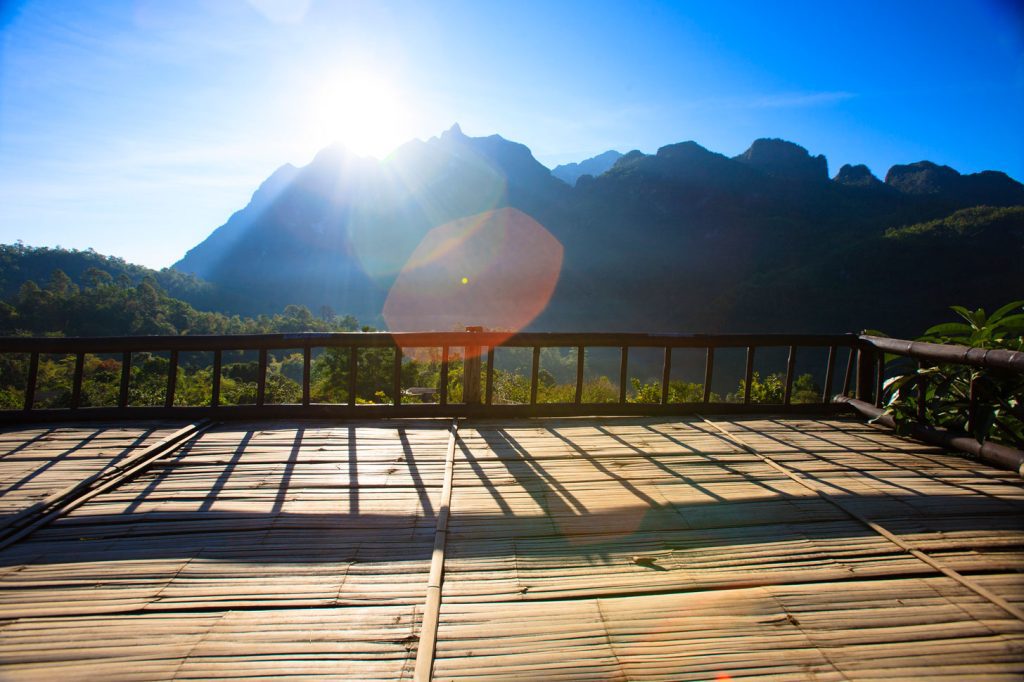
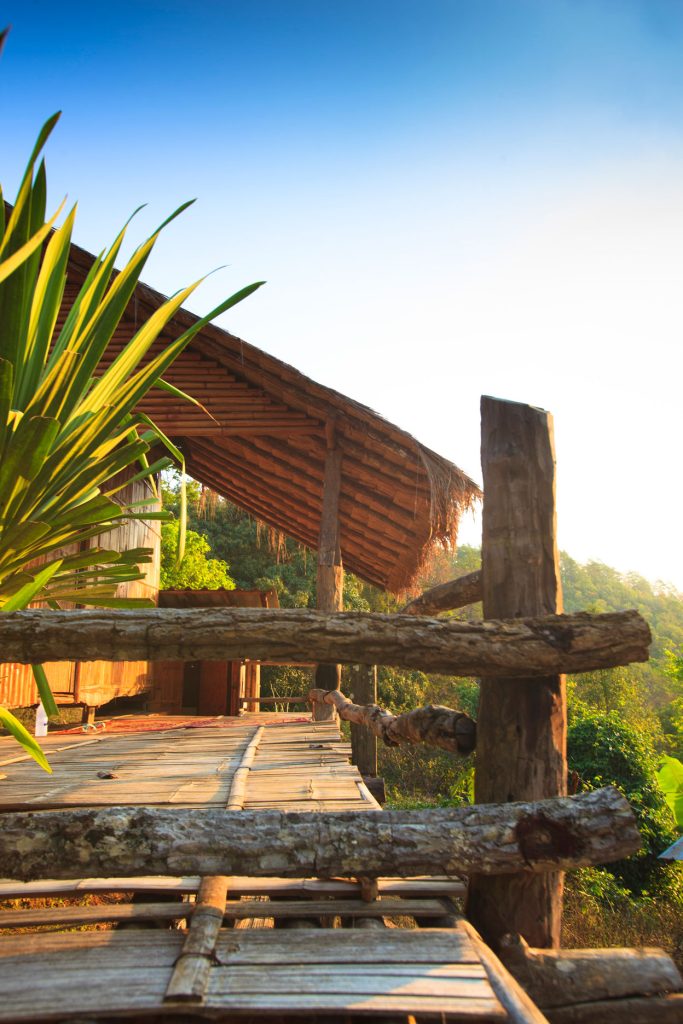
Several Lisu families operate homestays here, offering simple accommodation in wooden houses. Rooms are generally modest, with basic facilities and few unnecessary luxuries. What makes them special is the view. Many have open terraces overlooking Doi Luang Chiang Dao, sometimes so close in appearance that the mountain seems to fill the entire horizon.
The experience is particularly memorable in the early morning, when soft light gradually reveals the contours of the mountain. As evening approaches, the rocky slopes turn darker against the fading sky. On clear nights, stars appear above the towering silhouette — a scene that seems especially fitting for a place named Chiang Dao, a name associated with the stars.
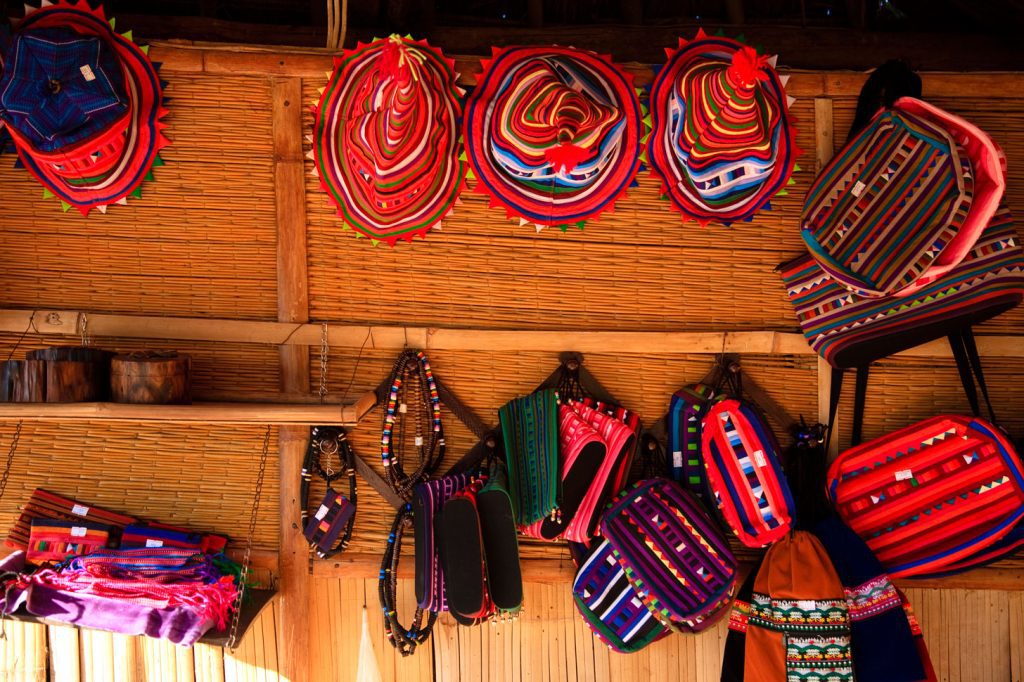
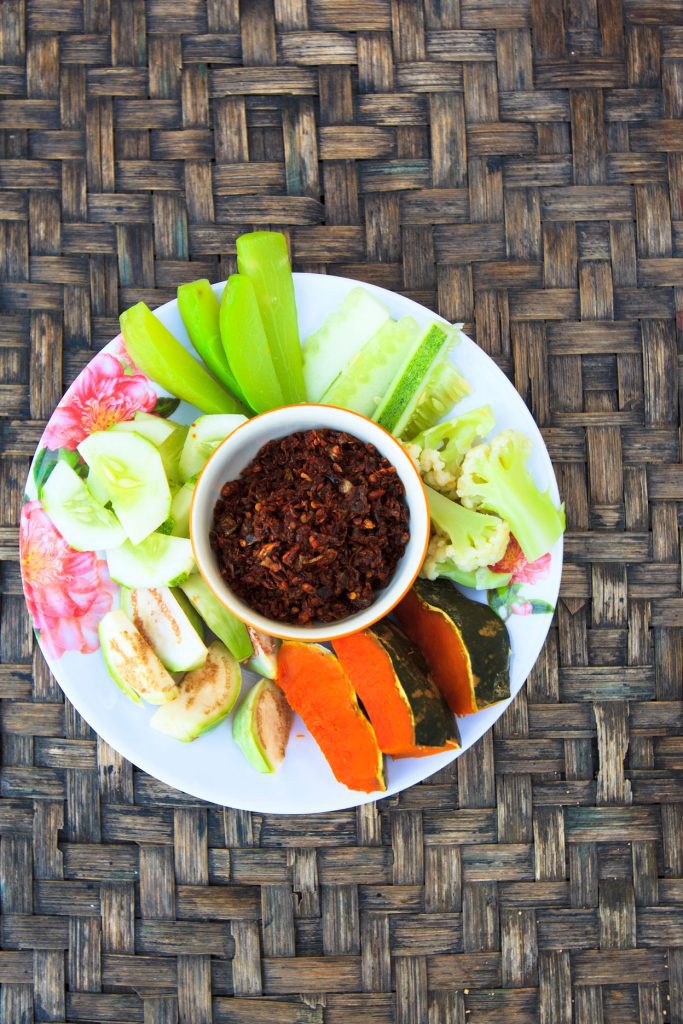
Beyond the scenery, staying here offers glimpses of everyday life in a Lisu community. Meals are often prepared by local hosts, featuring home-style dishes such as traditional chilli dips served with fresh vegetables. The village provides an opportunity to appreciate the culture of one of northern Thailand’s highland ethnic communities.
There is no need to plan a busy day. Find a comfortable spot on the terrace, watch the clouds move across the mountain and enjoy the rare pleasure of having nowhere else to be.
2. Where the River Meets the Mountains
Ban Sapan, Nan
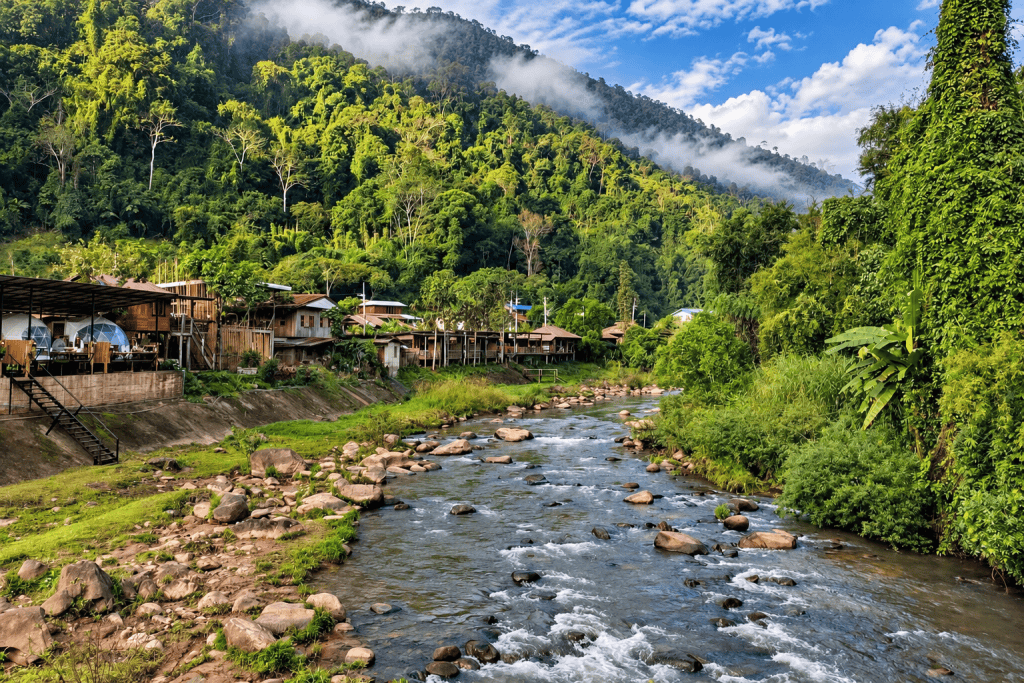
Deep in the mountains of Nan province, Ban Sapan is a small village surrounded by lush green hills, rice fields and flowing water.
Located in Bo Kluea district, the village sits near the meeting point of the Wa River and Sapan Stream. Water is central to its landscape and atmosphere, winding through the valley past farmland and wooden houses before continuing into the surrounding mountains.
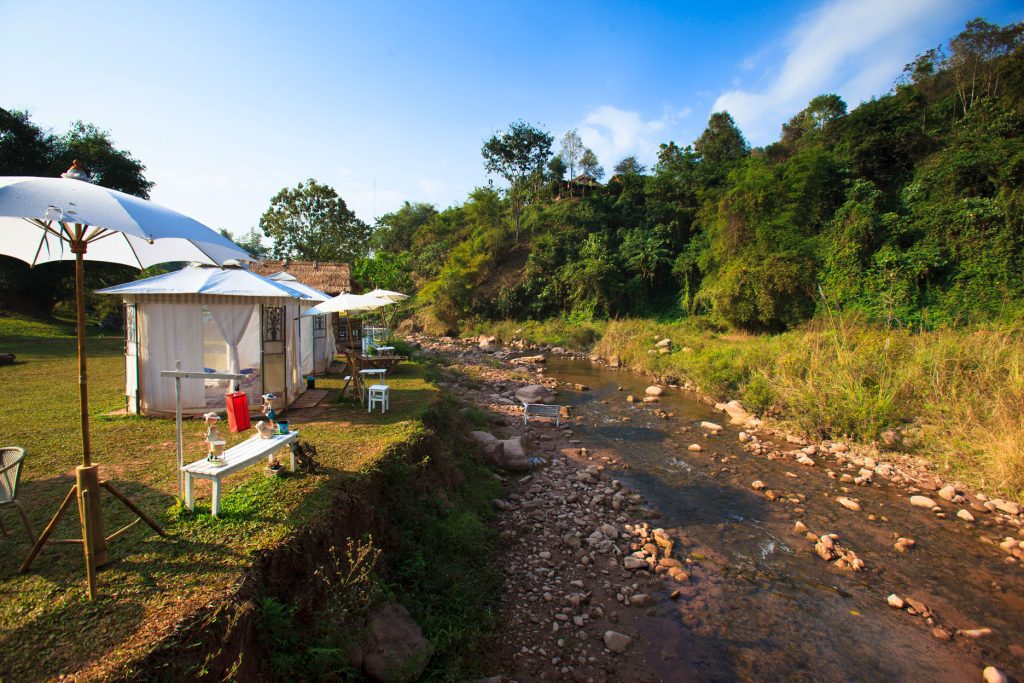
Visitors can stay in family-run homestays, small guesthouses or comfortable riverside accommodation. Many offer views of the streams, rice fields and forested slopes. The sound of running water provides a gentle background to village life, especially in the quieter hours of the morning.
Rice farming is an important part of the community’s agricultural traditions. During the rainy season, the fields become a vibrant green, stretching across the valley in beautiful patterns. As the growing season progresses, the colours gradually change before the harvest, giving the landscape a different character throughout the year.
A leisurely walk through the village reveals small cafés, local homes and quiet corners beside the water. Sitting with a cup of coffee while watching the stream flow past is one of the simplest pleasures of visiting Ban Sapan.
Nature lovers can also explore nearby Sapan Waterfall, a three-tiered cascade within Khun Nan National Park. A short forest trail leads past moss-covered rocks and dense vegetation to the different levels of the waterfall. Fed by mountain streams, it flows throughout the year, although its appearance changes with seasonal rainfall.
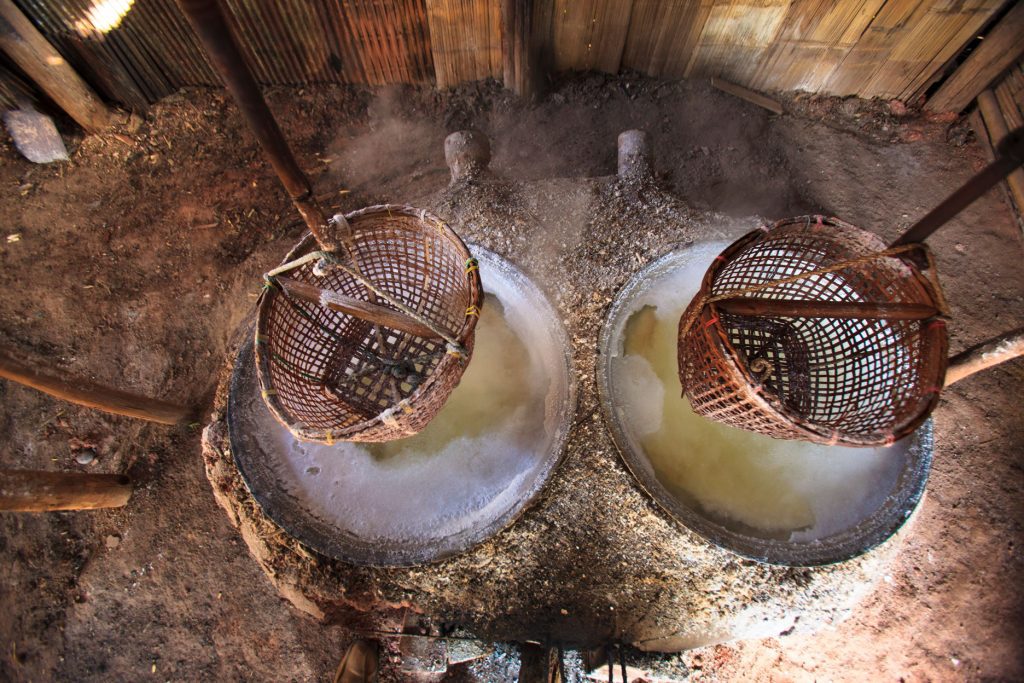
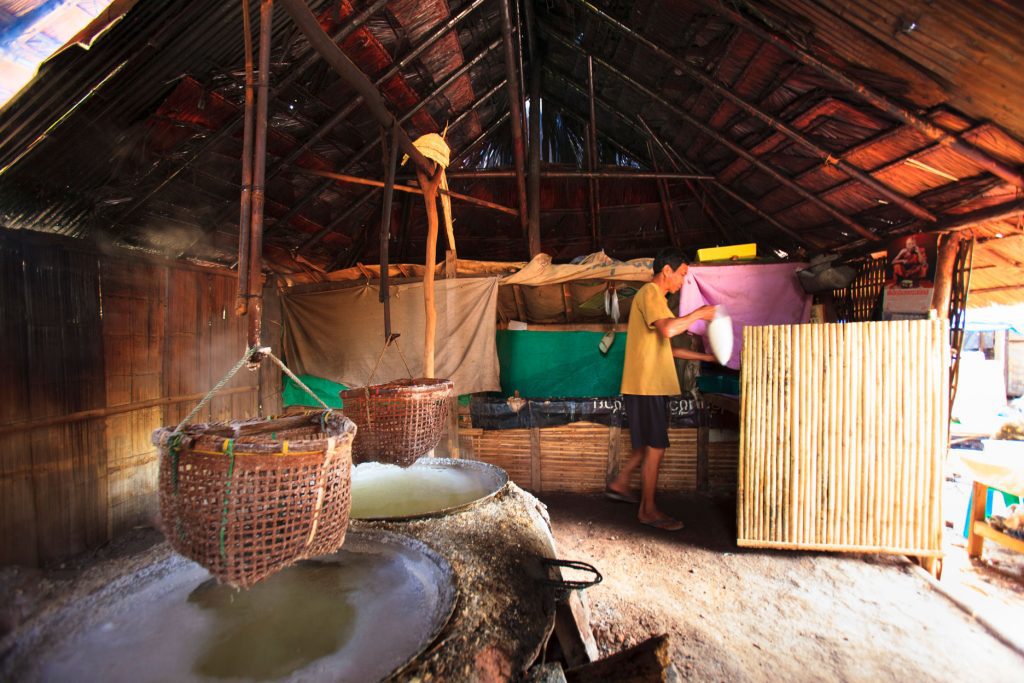
Another fascinating experience awaits nearby at Ban Bo Luang, the historic salt-producing village that gives Bo Kluea district its name. For centuries, local people have produced mountain salt by drawing naturally saline groundwater from underground wells and boiling it in large pans until salt crystals form.
This unusual tradition, with a history commonly traced back more than 800 years, reflects the importance of salt to the region long before tourism arrived. Visitors can observe the traditional production process and learn about a remarkable part of Nan’s cultural heritage.
Together, the rivers, rice fields, waterfall and ancient salt wells make Ban Sapan more than a beautiful mountain retreat. They reveal a landscape where nature and local livelihoods have long been closely connected.
3. When the Village Slows Down
Ban Mae Kampong, Chiang Mai
Mae Kampong is no longer a hidden village.
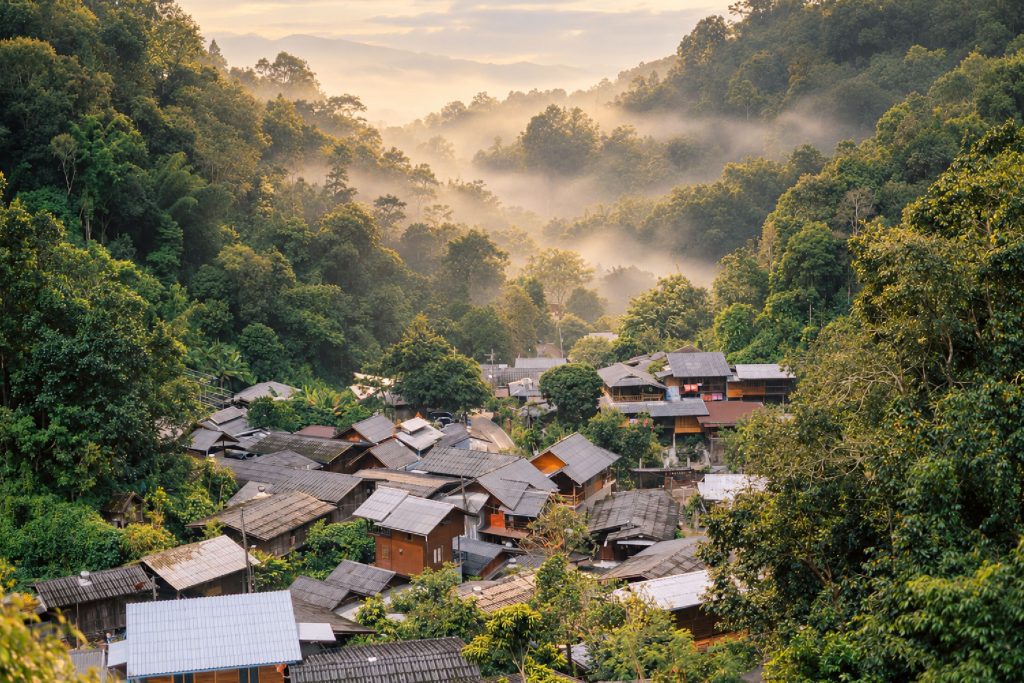
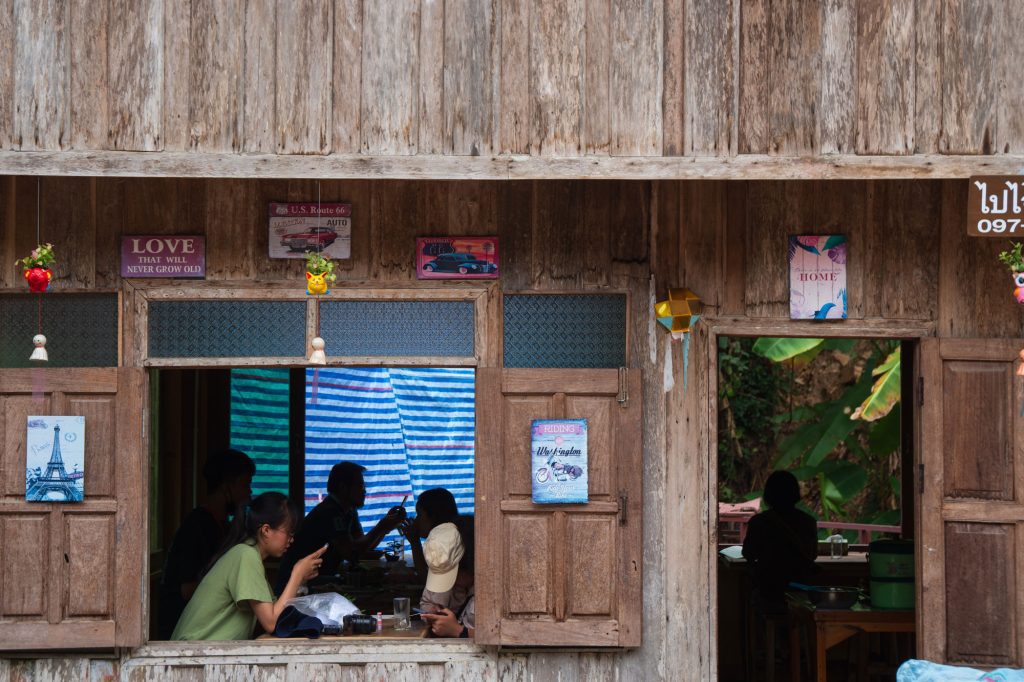
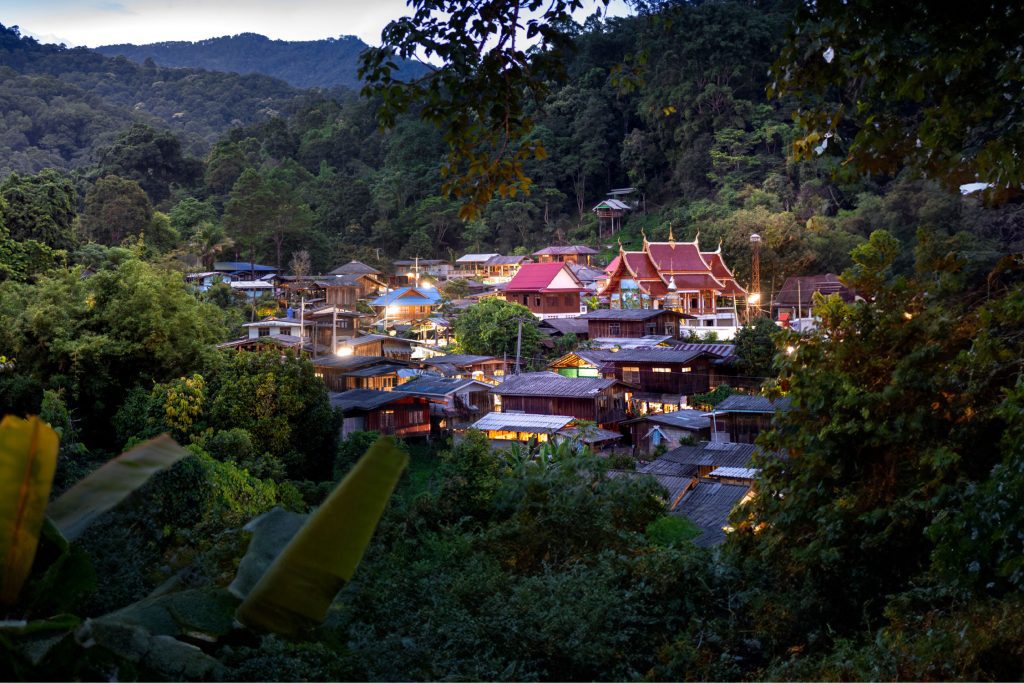
Nestled in the forested mountains east of Chiang Mai, this small community has become one of northern Thailand’s most popular countryside escapes. Visitors come for its traditional wooden houses, mountain scenery, local food and charming cafés.
During the day, its narrow main street can be lively with visitors browsing shops, enjoying coffee and taking photographs. But as the afternoon fades and day-trippers begin their journeys home, Mae Kampong gradually reveals another side of its character.
The streets become quieter, the mountain air turns cooler and the gentle sound of flowing water becomes more noticeable.
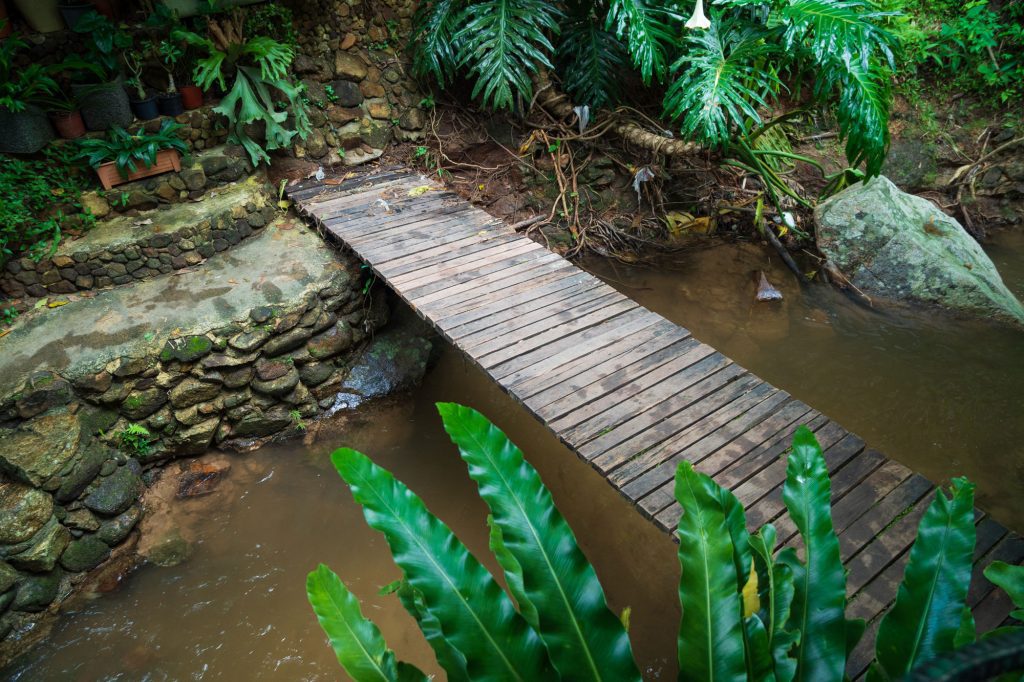
A small stream runs through the village, passing beneath wooden bridges and alongside traditional houses. In places, narrow footbridges connect homes to the village lanes. These simple details are part of Mae Kampong’s distinctive charm, giving the settlement a close relationship with its natural surroundings.
Staying overnight in a local homestay is one of the best ways to experience this atmosphere. Visitors can enjoy home-cooked northern Thai dishes, spend the evening in a traditional wooden house and wake up before the village becomes busy again.
Mae Kampong also has a long connection with miang, the fermented tea leaves traditionally consumed in northern Thailand. For generations, cultivating and preparing these leaves has been part of local livelihoods, a tradition that continues alongside the village’s growing tourism industry.
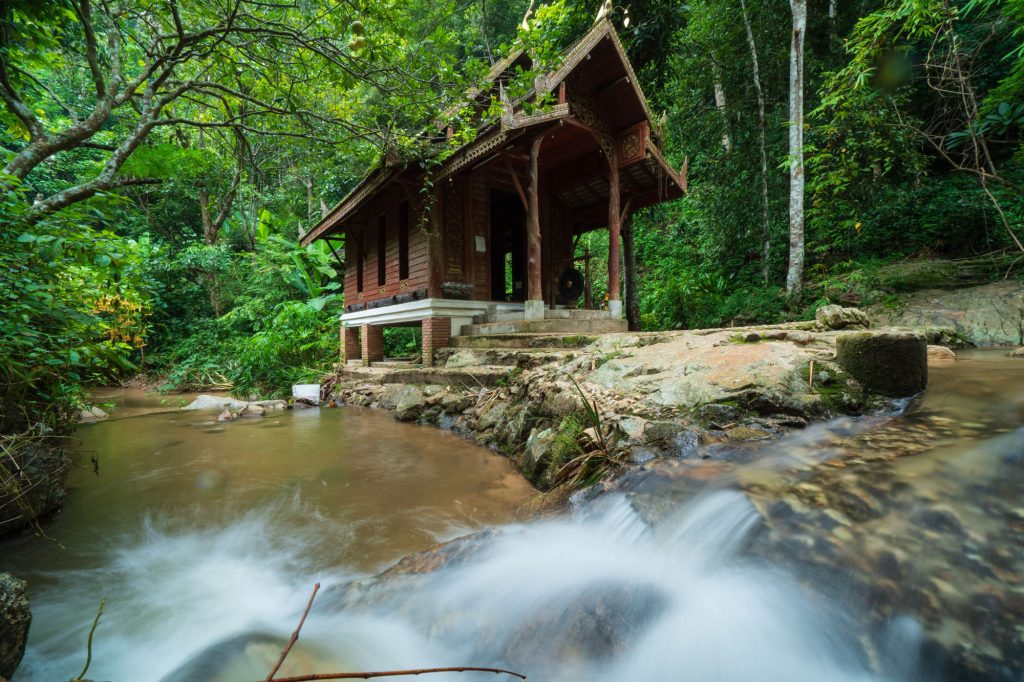
One of the most memorable places to visit is Wat Khantha Phueksa, also known as Wat Mae Kampong, a small Buddhist temple set among the trees and streams.
Its most unusual feature is a wooden ordination hall standing within a flowing stream. Unlike the grand temples commonly associated with northern Thailand, this modest building draws its beauty from its intimate relationship with nature.
Inside, the sound of water and the surrounding forest creates a peaceful atmosphere that invites visitors to sit quietly for a moment.
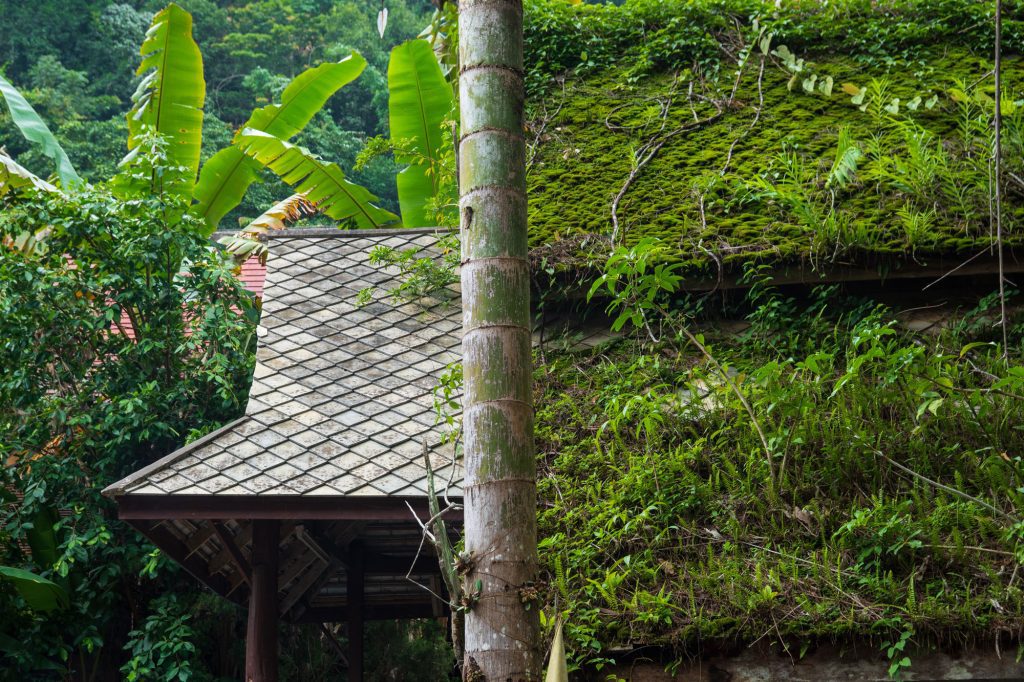
Elsewhere in the temple grounds, old wooden roofs are softened by moss, ferns and other greenery thriving in the cool, humid mountain climate. The result is a remarkable harmony between traditional Lanna architecture and the living landscape.
Mae Kampong may have become a popular destination, but those who stay overnight can still discover the quieter village that exists beyond its busy daytime streets.

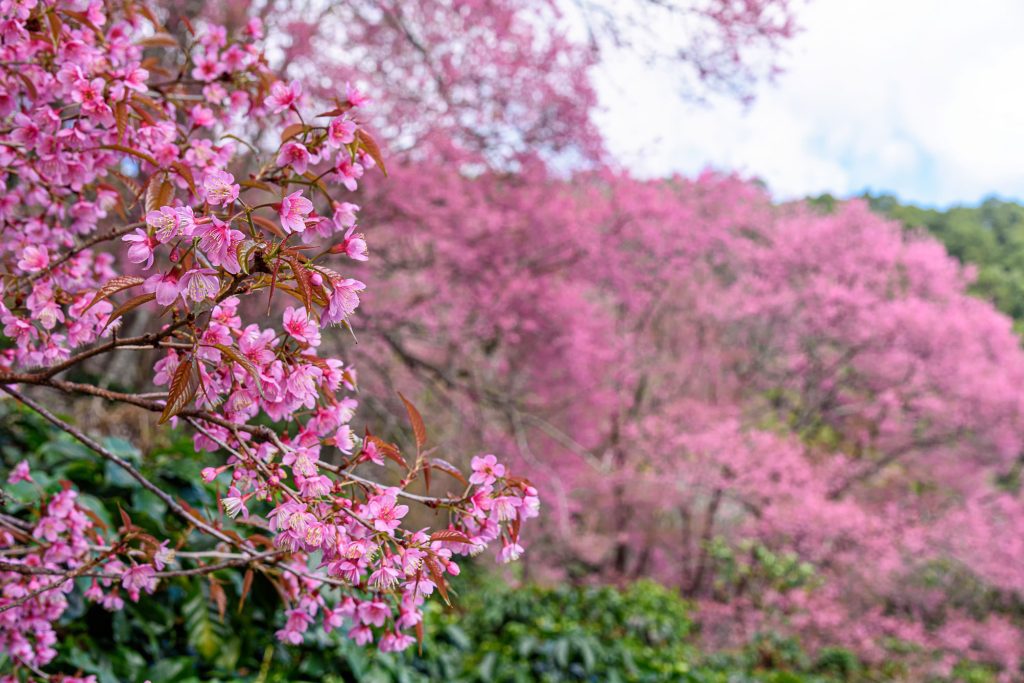
4. A Village Among the Blossoms
Ban Pa Miang, Lampang
Just across the mountain ridge from Mae Kampong lies another village with a remarkably similar setting, yet a noticeably different atmosphere.
Ban Pa Miang, in Lampang province, is surrounded by forested hills, small streams and traditional mountain homes. Although the two villages are connected by a winding mountain road, Ban Pa Miang receives fewer visitors and retains a quieter, more rural character.
The village has a long history associated with miang, the fermented tea leaves that are an important part of northern Thailand’s food culture. The local landscape and cool mountain climate have supported tea cultivation for generations, while small-scale agriculture remains closely connected to community life.
Yet one of Ban Pa Miang’s most remarkable attractions is the changing beauty of its seasonal flowers.
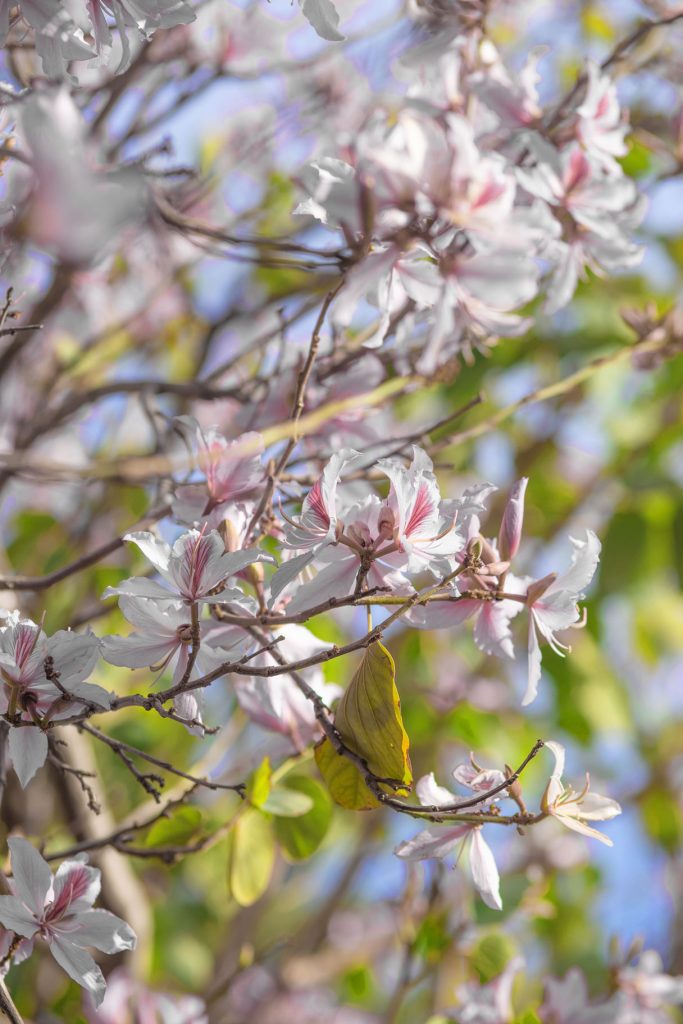
Around January, wild Himalayan cherry trees, known locally as Nang Phaya Suea Khrong, produce delicate pink blossoms in and around the village. Their soft colours brighten the cool mountain landscape, creating a beautiful contrast with the surrounding forest.
As winter gives way to the warmer months, another flowering spectacle begins.
Between February and March, wild Dok Siao trees burst into bloom across the hillsides. Their white flowers, sometimes touched with pale pink, create a beautiful display against the deep green mountains. The flowering season has become an important part of the village’s identity, celebrated through the annual Dok Siao Blooming Festival.
Flowering times vary from year to year, depending on the weather, but both seasons offer a special reason to visit.
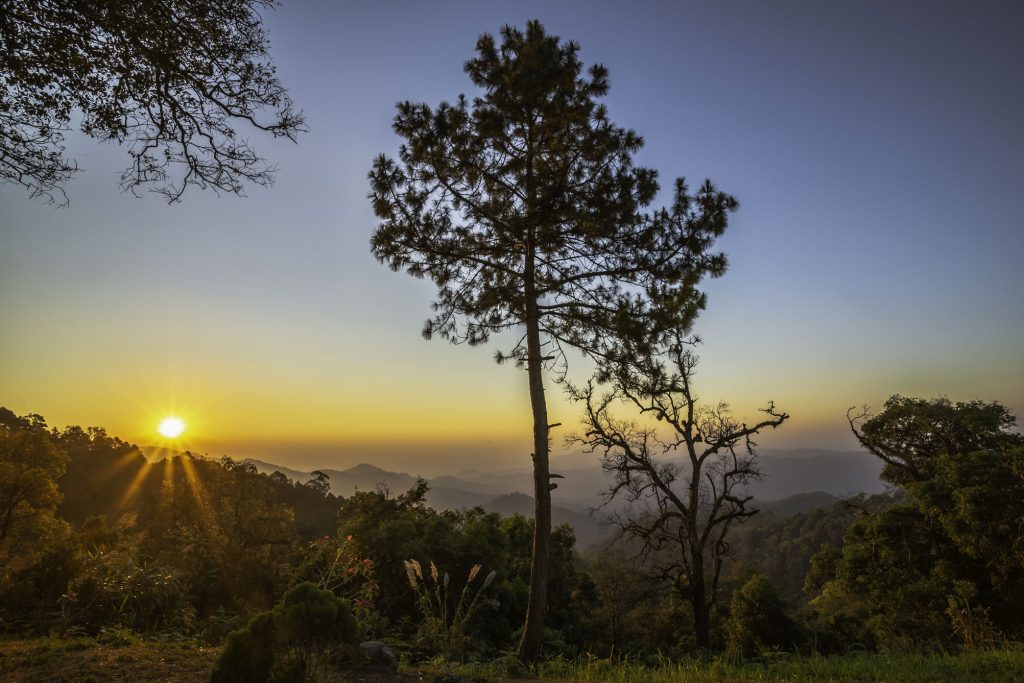
Beyond the village, the mountain scenery is equally rewarding. An early morning excursion to Kiew Fin Viewpoint, located near the boundary between Chiang Mai and Lampang provinces, reveals sweeping views across the surrounding mountain ranges.
At approximately 1,500 metres above sea level, the viewpoint is particularly beautiful around sunrise, when the first light reaches the distant ridges. On some mornings, mist gathers in the valleys below, adding another layer to the landscape.
A visit to Ban Pa Miang can also be combined with Chae Son National Park, known for its natural hot springs. Steam rises from the mineral-rich pools, especially in the cool morning air, while designated bathing facilities allow visitors to enjoy the warm mineral water in a peaceful natural setting.
Ban Pa Miang offers a different kind of mountain escape — one shaped by seasonal blossoms, local traditions and the quiet beauty of a village that has not lost its connection with the surrounding forest.
Quick Info — Getting There, Where to Stay & What to Do
1. Ban Na Lao Mai, Chiang Mai
- Getting There: Around 2.5–3 hours by car from Chiang Mai. Alternatively, take a public bus from Chang Phueak Bus Terminal to Chiang Dao, then arrange a local transfer to the village through your homestay. The final mountain road is steep and winding, so travelling before dark is recommended.
- Where to Stay: Simple Lisu-run homestays and mountain-view cabins, many with terraces overlooking Doi Luang Chiang Dao. Some offer packages including dinner and breakfast. Book directly with the hosts and confirm meals, bathroom facilities and transfers in advance.
- What to Do: Wake up to spectacular views of Doi Luang Chiang Dao, enjoy sunrise and sunset from your homestay terrace, discover Lisu culture through local food and conversations with your hosts, and spend a clear evening stargazing. Nearby Chiang Dao Cave is also worth a visit.
2. Ban Sapan, Nan
- Getting There: Fly or take an intercity bus to Nan, then rent a car or hire a private driver for the approximately 2–3-hour journey to Ban Sapan via Bo Kluea. Public transport into the village is very limited. A private sightseeing tour combining Pua, Bo Kluea and Ban Sapan is another practical option.
- Where to Stay: Accommodation ranges from family-run homestays and riverside cabins to comfortable small resorts, often overlooking streams, mountains or rice fields. Some include breakfast or offer meals by arrangement; others operate on a room-only basis.
- What to Do: Walk or cycle through the village and its rice fields, relax at a riverside café, explore the forest trail to Sapan Waterfall, and visit the centuries-old mountain salt wells at nearby Ban Bo Luang to observe traditional salt production.
3. Ban Mae Kampong, Chiang Mai
- Getting There: Approximately 1–1.5 hours by car from Chiang Mai. Shared minivans also operate from the Warorot Market area, although seats and departure times should be confirmed in advance. Private transfers and local day tours are widely available.
- Where to Stay: Choose from traditional community homestays, wooden guesthouses and more comfortable private accommodation. Many homestays include breakfast, while some offer packages with dinner and local activities. Staying overnight is recommended to experience the village after day visitors leave.
- What to Do: Wander along the streamside village lanes, explore local cafés and restaurants, visit Wat Khantha Phueksa and its unusual wooden ordination hall, take a short nature walk to Mae Kampong Waterfall, and learn about the traditional production of miang (fermented tea leaves) through locally arranged activities.
4. Ban Pa Miang, Lampang
- Getting There: Accessible by car from Lampang via Chae Son National Park, or from Chiang Mai via Mae Kampong and Kiew Fin. The mountain roads are steep and winding. There is no convenient regular public transport directly to the village, so renting a car, hiring a driver or arranging transport with your homestay is recommended.
- Where to Stay: Small village homestays and simple countryside accommodation offer a peaceful mountain experience. Some hosts can arrange packages including home-cooked meals and local activities, such as learning about traditional miang production. Check package inclusions before booking.
- What to Do: Admire pink wild Himalayan cherry blossoms in January or white Dok Siao flowers in February–March, join local activities related to harvesting and processing miang, enjoy sunrise views from Kiew Fin Viewpoint, and unwind in the natural mineral baths at nearby Chae Son National Park.
Travel Tips: Book accommodation in advance, especially during weekends, public holidays and flowering seasons. Some homestays offer packages combining accommodation, meals, local activities and transfers, but arrangements vary by property. Travellers without their own vehicle should organise local transport before arrival. Ban Mae Kampong and Ban Pa Miang can be combined into one mountain journey, with an overnight stay in each village.
Share


