

Hidden in the mountains of Mae Hong Son, Pai is a small valley with a gentle soul. Travellers come here for nature, culture, warmth, and a pace of life that feels refreshingly unhurried. For Nordic visitors seeking an escape from winter cold—or simply craving a place where the days unfold softly—Pai offers a landscape of rice fields, river bends, and misty mornings that feel almost timeless. It is a town where you come not to rush, but t


The Atmosphere : Rice Fields, River, and Golden Fields of Sunn Hemp
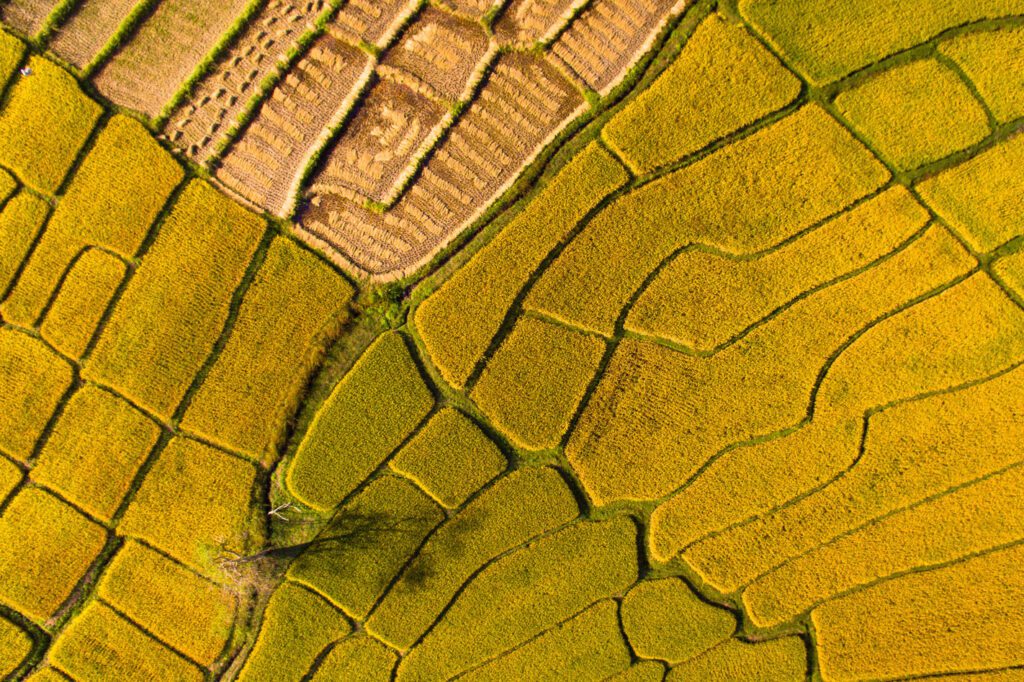
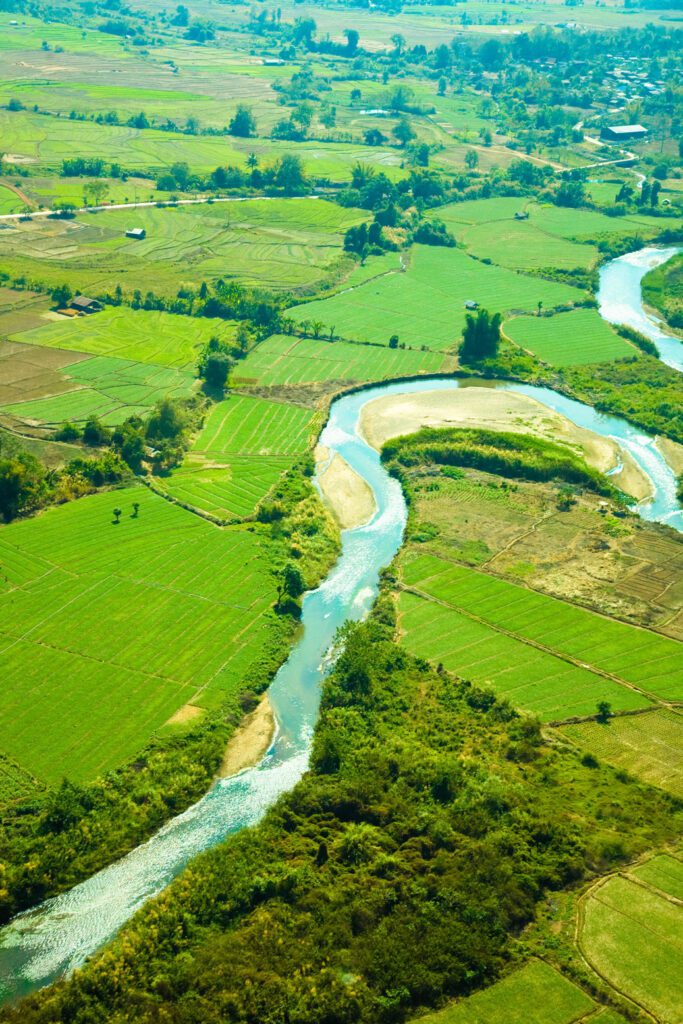
Pai’s scenery is defined by openness. During the green season, rice fields spread across the valley floor like a vast quilt of emerald tones, framed by low mountains. Many call them the most beautiful rice fields in Thailand, and when the light falls just right, it’s easy to see why.
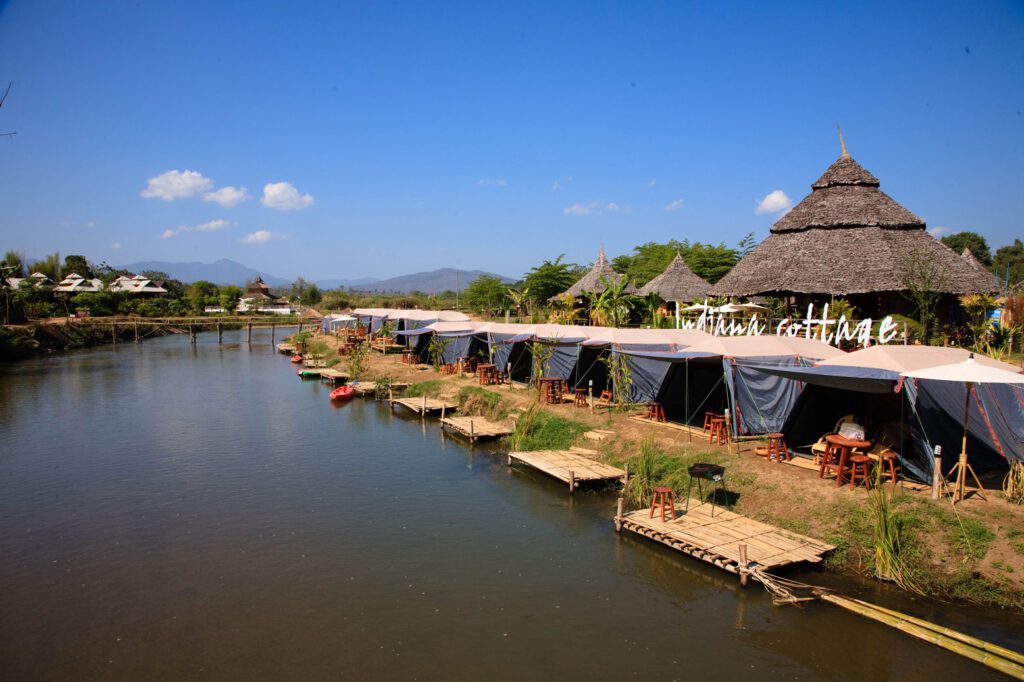
The Pai River threads its way through this landscape, sometimes lively and sometimes quiet, shaping life in the valley. Riverside resorts let guests wake to the sound of water moving gently past, while adventurers float downstream on colourful tubes.
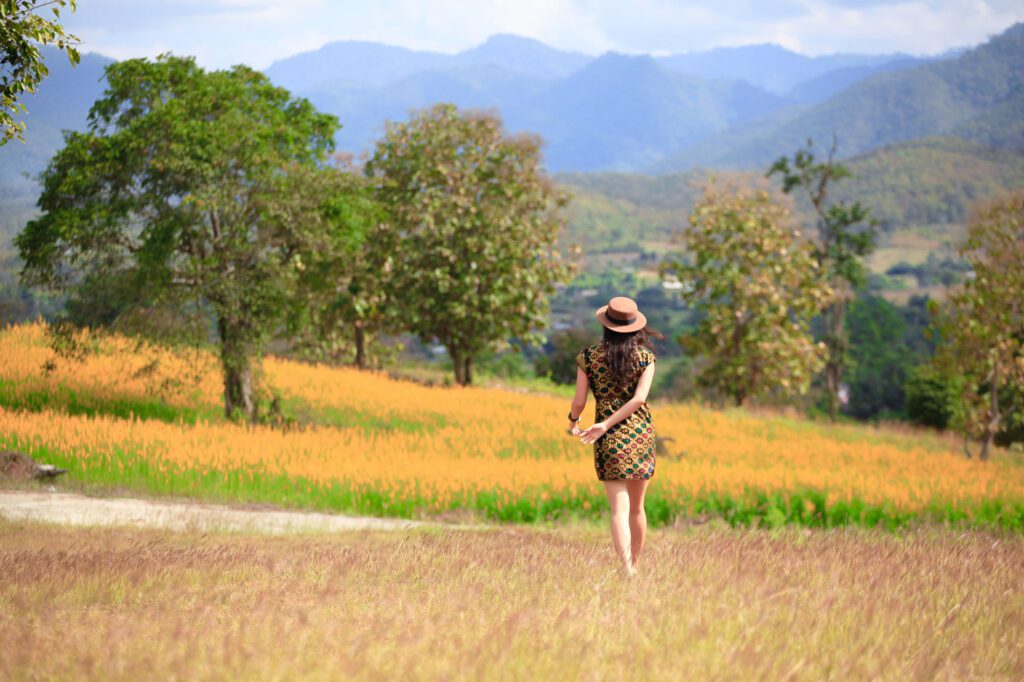
When the harvest season ends, the valley shifts from green to gold. Fields come alive again with the bright yellow of sunn hemp—planted to enrich the soil before the next growing season. Whether green or golden,
A Day in Pai : From Morning Mist to Sunset Glow
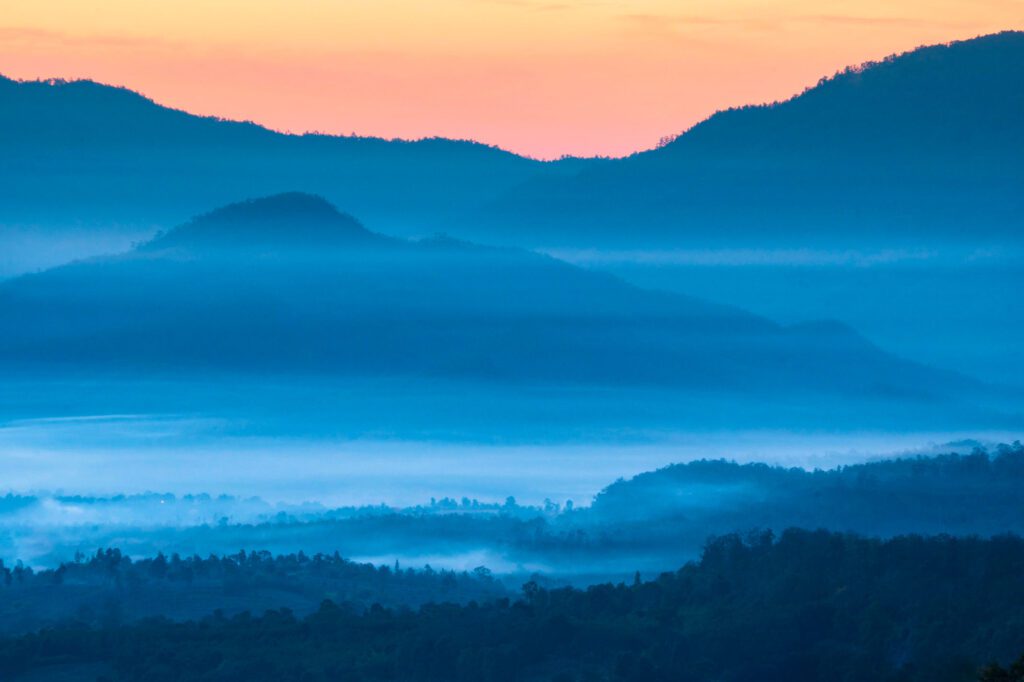
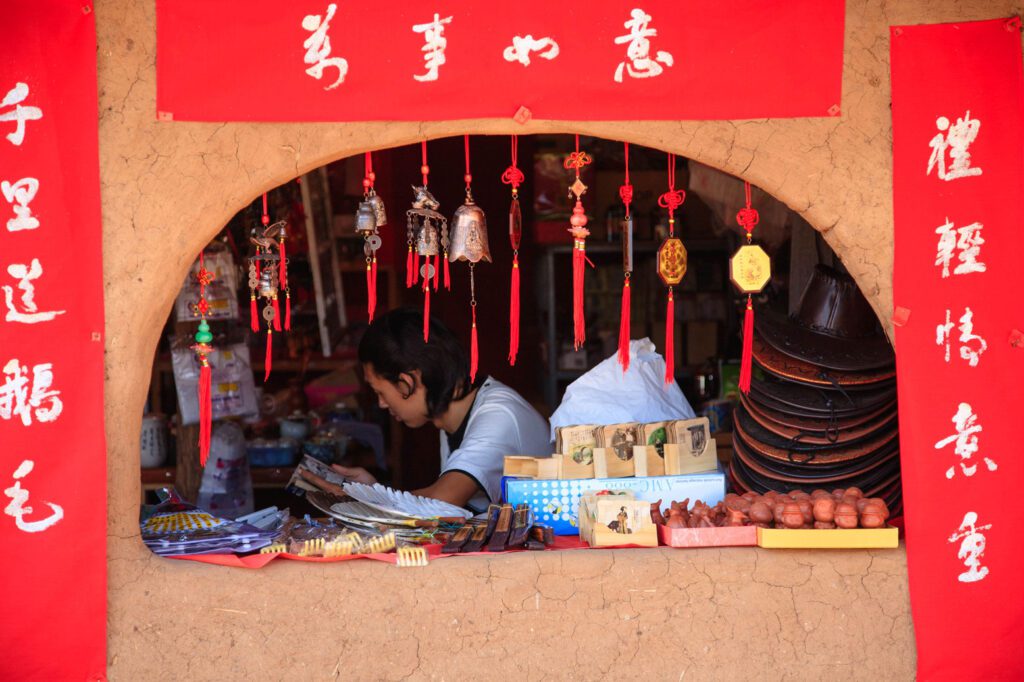
A perfect day in Pai begins early. Before the sun rises, the hills around Santichon Village reveal layers of soft morning mist drifting across the valley. The village itself, founded by Yunnanese settlers decades ago, carries the quiet charm of rural Chinese life. Some travellers stay for tea; others simply enjoy the view.
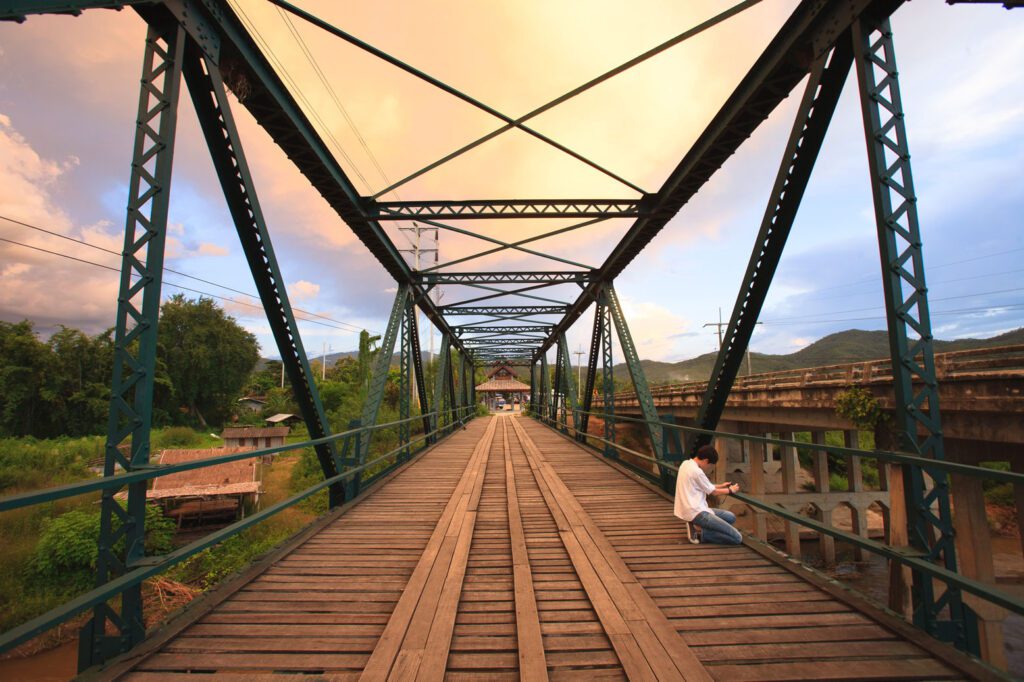
As the morning brightens, the best way to explore Pai is by motorbike or car. The road winds past rice paddies, small farms, and scenic viewpoints. Soon you’ll reach the Pai Memorial Bridge, an old iron bridge relocated from Chiang Mai long ago. Today, it stands as both a landmark and a reminder of the town’s long, layered history.
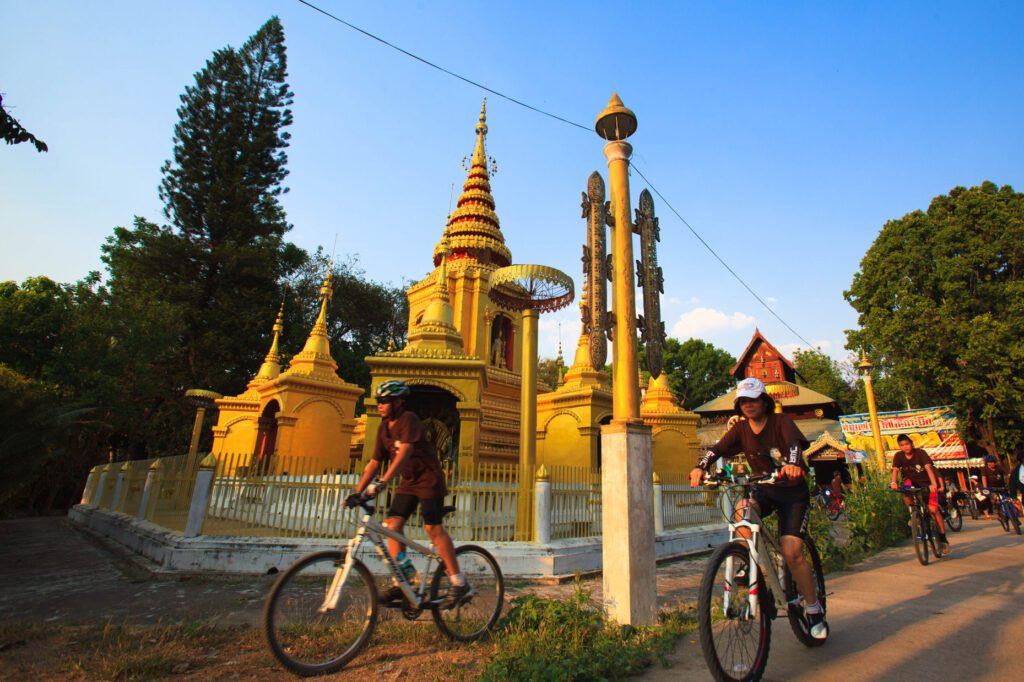
Back in town, many temples built in Tai Yai (Shan) style—offer a peaceful glimpse into local spiritual life. The beautifully tiered roofs and airy wooden halls reflect the cultural heritage of the region.
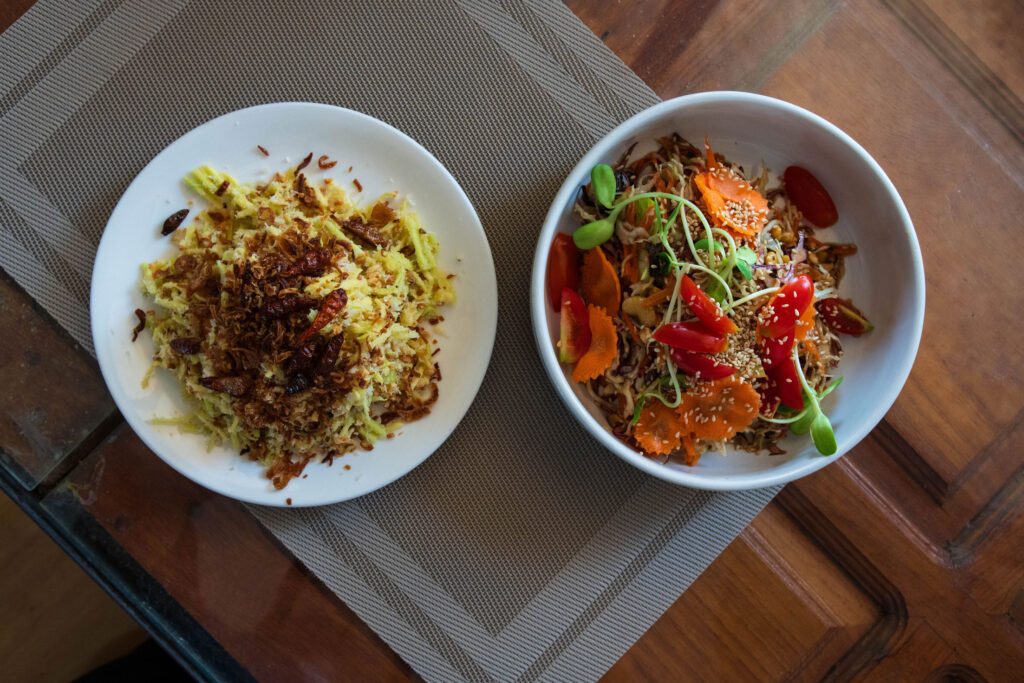
For lunch, try Shan or Yunnan-inspired dishes. A Yunnan salad, simple noodles, or light, herb-forward Shan cuisine gives travellers a taste of Pai’s roots. These dishes are often adapted into healthy, colourful meals that suit the relaxed lifestyle of the valley.
As the day cools, make your way toward higher ground. Wat Phra That Mae Yen, perched on a hilltop, offers one of Pai’s most iconic views. The temple’s simplicity enhances the sweeping panorama of the town below. It is especially beautiful in the late afternoon when the sky softens.
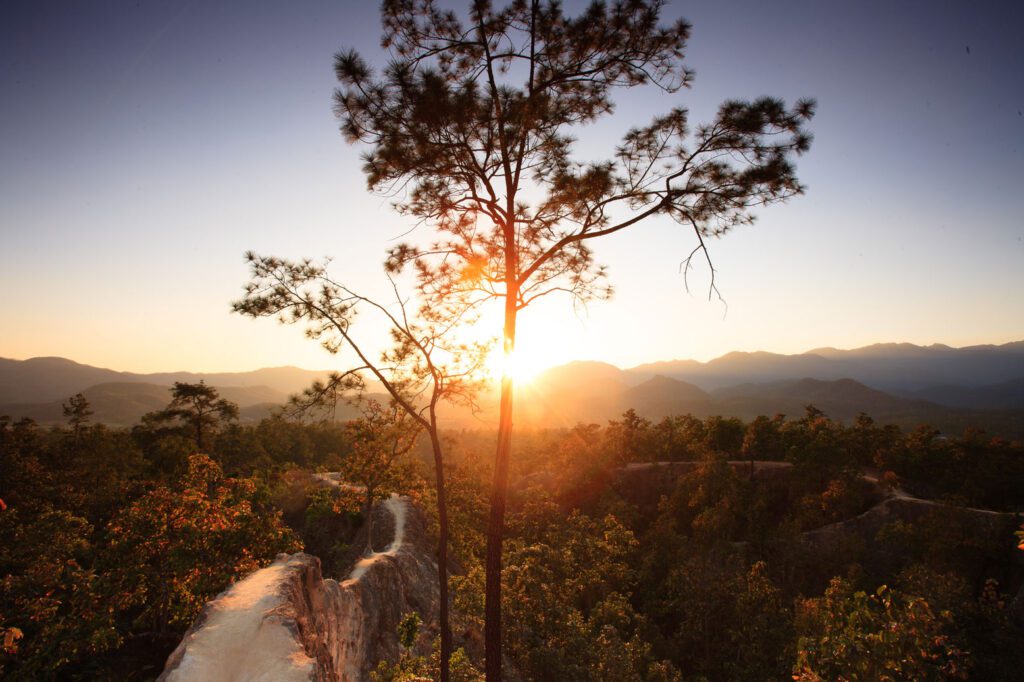
Another favourite spot is Pai Canyon (Kong Lan). Its narrow ridges and dramatic formations glow in warm light at sunset, drawing visitors who want to end their day with a view that feels both wild and serene.


Wellness and Relaxation in Pai
Though Pai is known for scenery, it is equally loved for the feeling of renewal it brings. Many boutique resorts feature private hot-spring tubs, fed by mineral-rich waters from the valley’s geothermal sources. Soaking in warm water under cool, gentle air is one of Pai’s quiet luxuries.
For a more natural setting, Sai Ngam Natural Mineral Spring offers a clear emerald pool with comfortably warm water—perfect for a peaceful afternoon soak surrounded by forest.
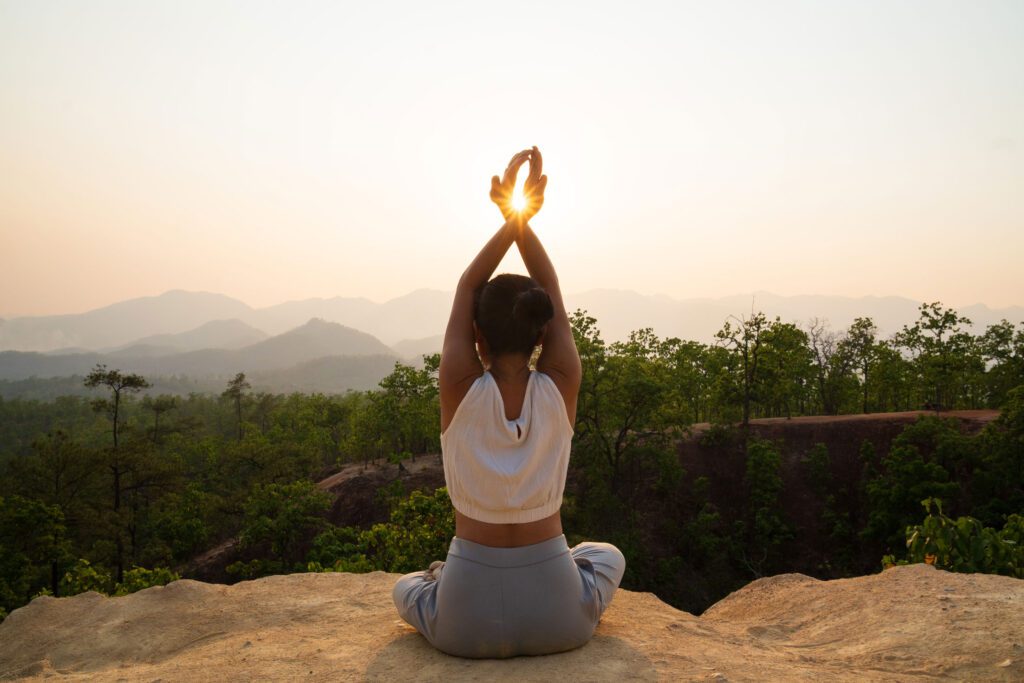
Wellness here extends beyond hot springs. Pai is a global hub for yoga and mindful movement, with studios and outdoor sessions that welcome travellers from all over the world. Practising yoga with birdsong, mountains, and open sky as your backdrop makes the experience feel wonderfully grounding.
A Town That Invites You to Slow Down
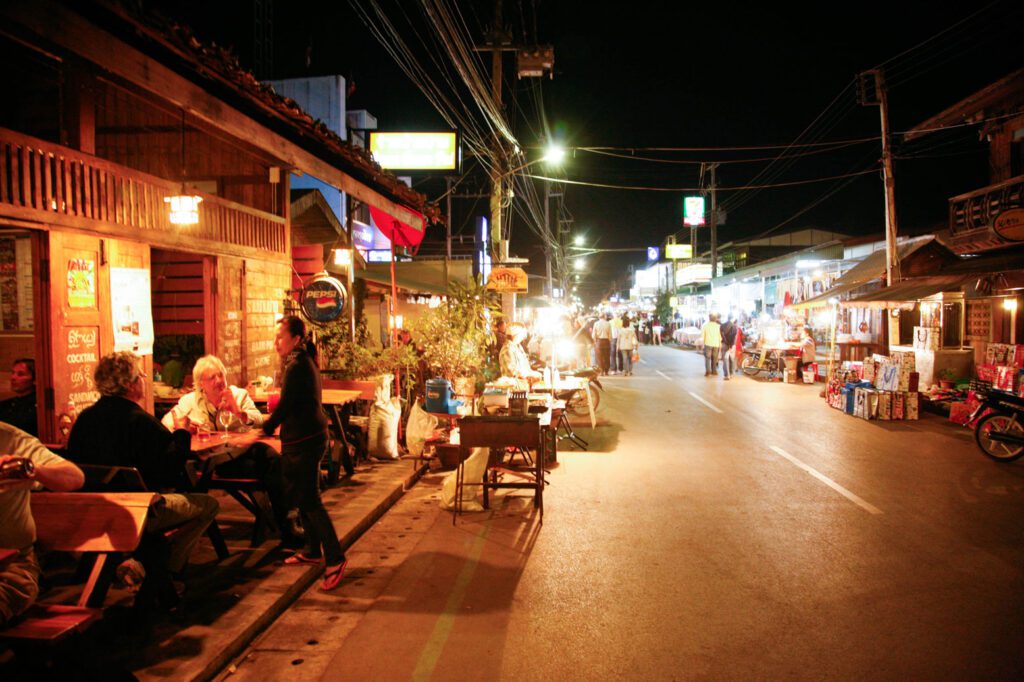
Pai is a place where the landscape sets the rhythm. From misty mornings and golden fields to soft evenings on walking street, everything encourages you to move slowly, appreciate simple beauty, and reconnect with yourself. Whether you come for the views, the food, the culture, or the calm, Pai leaves an impression that lingers long after you’ve left the valley.
Travel Snapshot & Quick Info
Getting to Pai
Pai is accessible from Chiang Mai by private car or public transport.
The Chiang Mai – Mae Taeng – Pai route covers approximately 125 km and takes around 3–4 hours to drive. The road is steep and winding, with many curves, so confident driving experience is recommended.
Travellers without a car can take a public bus or minivan from Chang Phueak Bus Station in Chiang Mai. Options include open-air buses and more comfortable minivans.
Tha-Pai Memorial Bridge
A historic landmark located on the way into Pai town.
Maps: https://maps.app.goo.gl/M6cou29BWEbZc6r27
Pai Walking Street
Open daily from 17:00–23:00, stretching along Chaisongkram Road and Rungsiyanon Road in the town centre.
Maps: https://maps.app.goo.gl/fjEaR3gvTkN7KpmFA
Santichon Village & Yun Lai Viewpoint (Sea of Mist)
Located 4.5 km from Pai town.
To reach the hilltop mist viewpoint, visitors must take a community-operated pickup truck from the village (THB 50 per person).
Travellers without private transport can book a sunrise mist tour through local agents in town.
Maps: https://maps.app.goo.gl/QqAf3qqeZNFTVveZ6
Mai Soong Ka
A health-focused Shan/Yunnan restaurant located in Pai town.
Maps: https://maps.app.goo.gl/nbs9u18nGWVGX3gw7
Wat Phra That Mae Yen
A hilltop temple offering panoramic valley views, just 2 km from Pai town.
Maps: https://maps.app.goo.gl/AYC8z2TnpgkECGyu5
Sai Ngam Natural Mineral Spring
A naturally warm emerald pool located 16 km from Pai.
Maps: https://maps.app.goo.gl/vM4peCRaTYtJew5T9
Kong Lan (Pai Canyon)
One of Pai’s most iconic sunset viewpoints, located 7 km from town.
Maps: https://maps.app.goo.gl/SM32VsCQtmXUJ1zh8
KIRINA WELLNESS IN THE VALLEY
Offers yoga sessions (indoor and outdoor), along with wellness activities such as sound healing.
Maps: https://maps.app.goo.gl/ZZmmDpLwrjvGq5Mj9
Share


