
Three Thai Hotels Going Beyond Green
Sustainability is no longer an optional gesture. Nor can it be reduced to linen-reuse cards, bamboo straws or a few trees planted for publicity.
For hospitality, the real question is more demanding: has environmental responsibility changed how a hotel is designed, built and operated—or has it merely changed how the hotel presents itself?
In Thailand, a growing number of hotels are beginning to answer that question through measurable action. The Tourism Authority of Thailand’s CF-Hotels programme provides participating properties with tools to record their greenhouse-gas emissions, identify their major sources and plan meaningful reductions. Hotels that fulfil the programme’s requirements receive a certificate of participation, while TAT supports their positive efforts through greater visibility and promotional opportunities.
The CF-Hotels network now encompasses 933 properties across Thailand. Among them, we have selected three luxury hotels that demonstrate how sustainability can reach far beyond surface-level gestures. Each is now preparing for an independent audit against the internationally recognised standards of the Global Sustainable Tourism Council—or GSTC.
Because the new luxury is not excess. It is sustainability that can be seen, measured and verified.

Varana Hotel Krabi
Sustainability Built into the Architecture
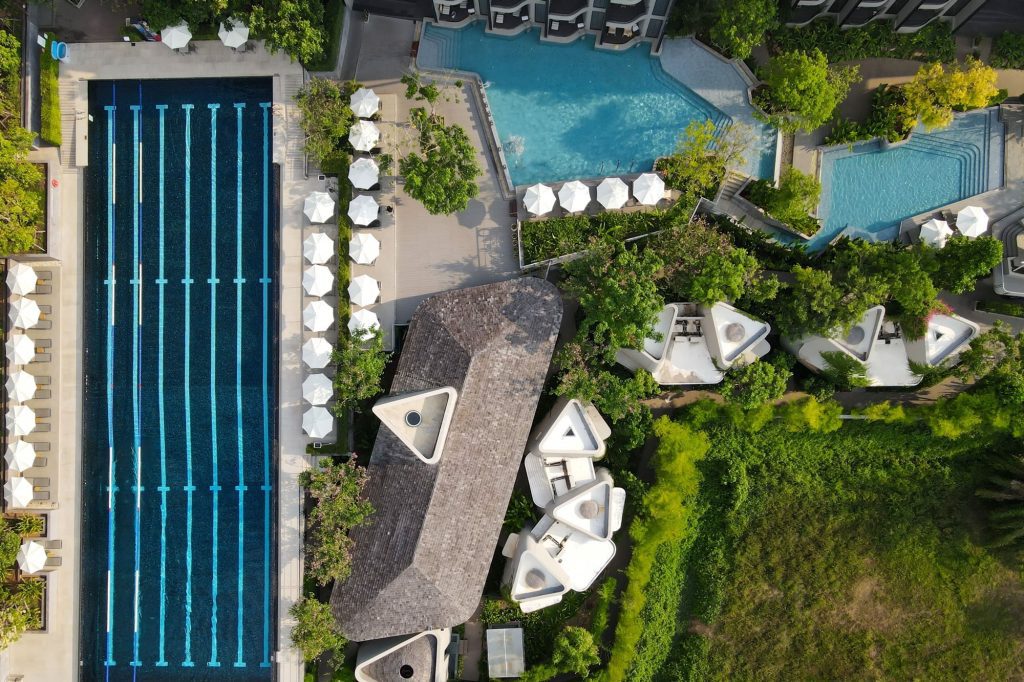
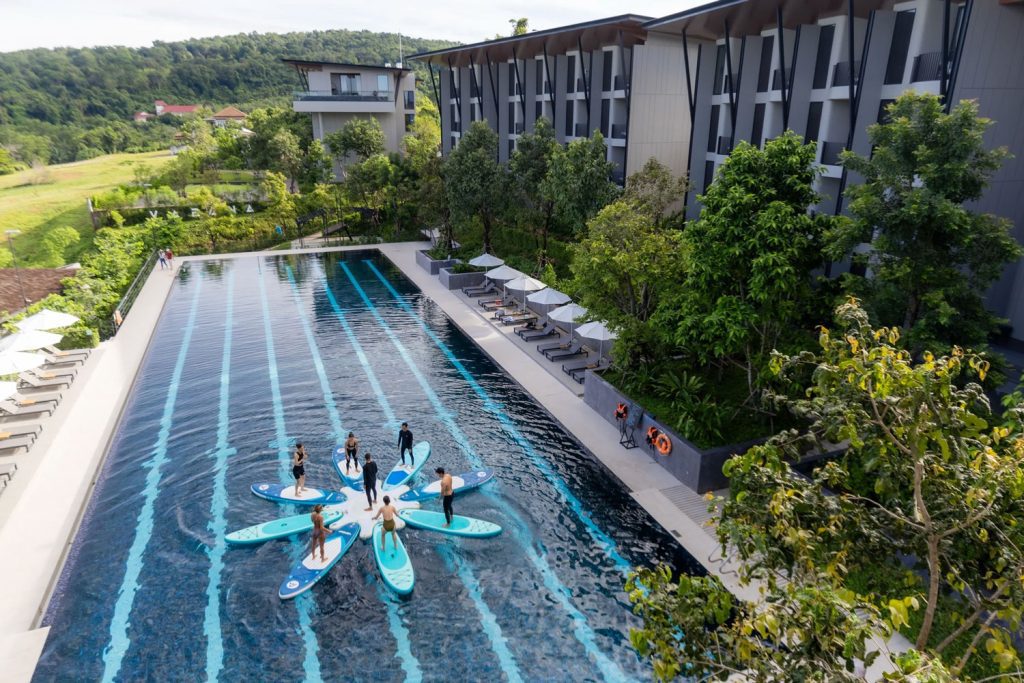
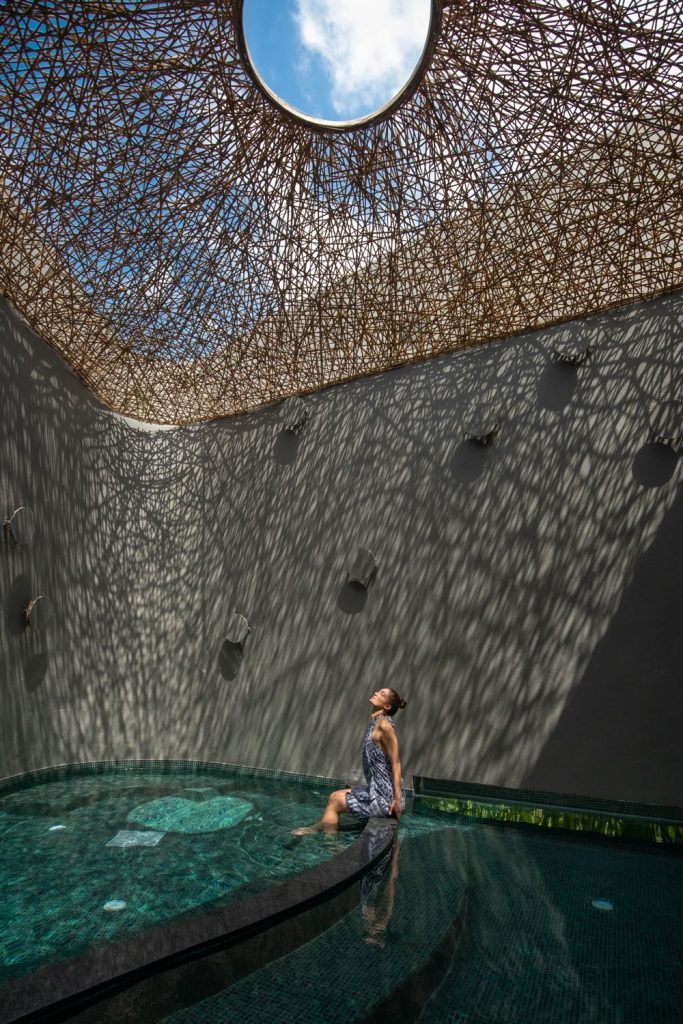
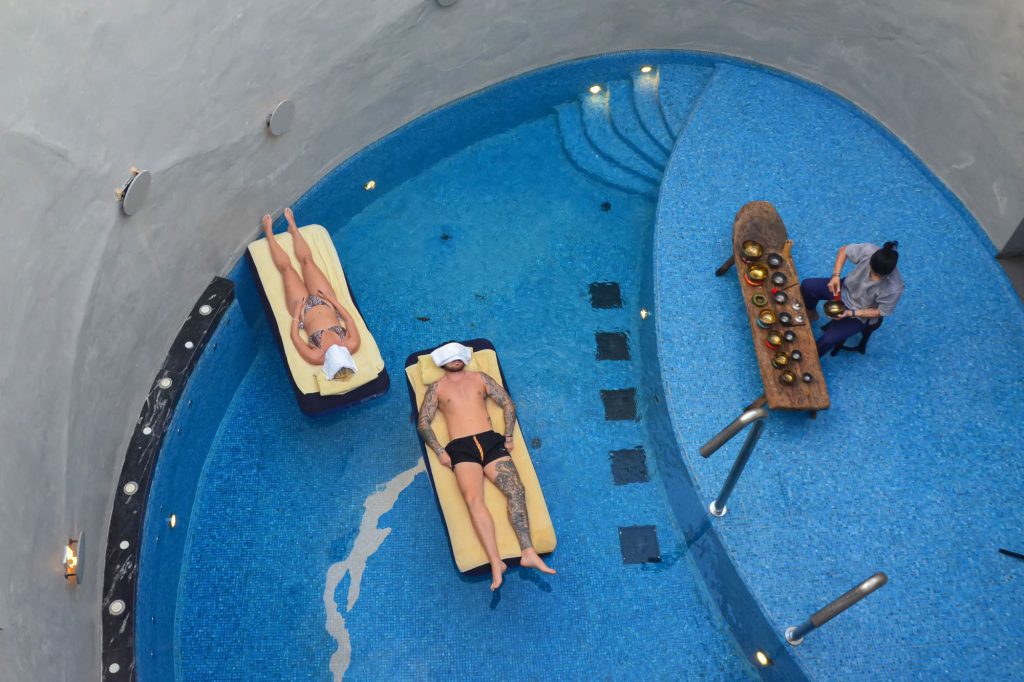
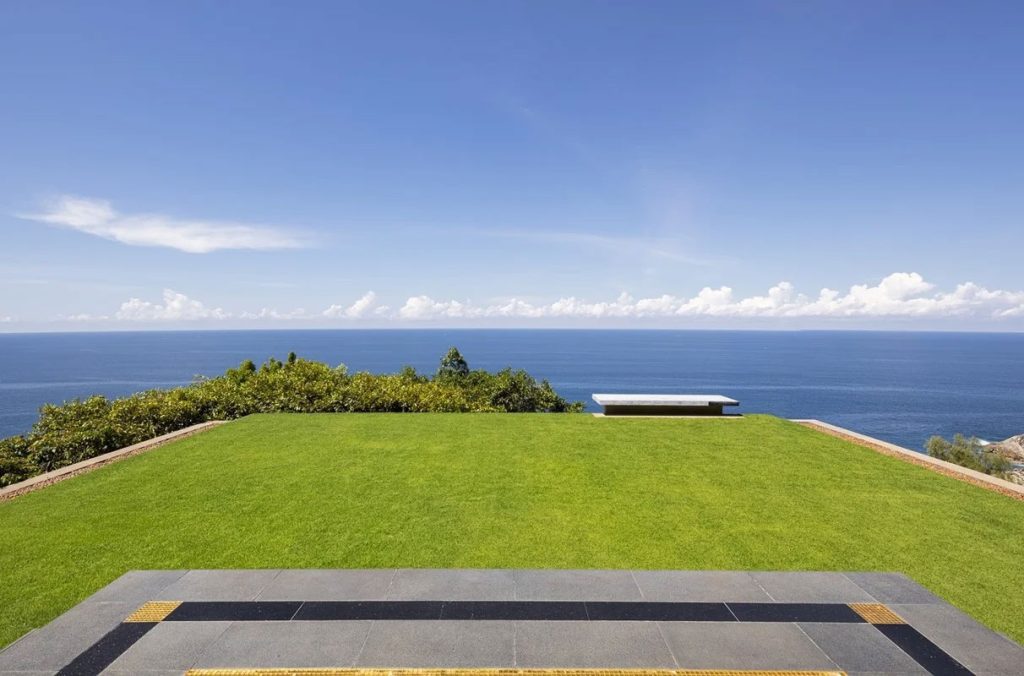
Set between Khao Ngon Nak Mountain and the Andaman Sea, Varana Hotel Krabi is a wellness-focused retreat whose identity draws upon three interconnected Thai concepts: Vana, the forest; Nava, water; and Nara, people.
Here, sustainability did not arrive after construction. It shaped the architecture from the beginning.
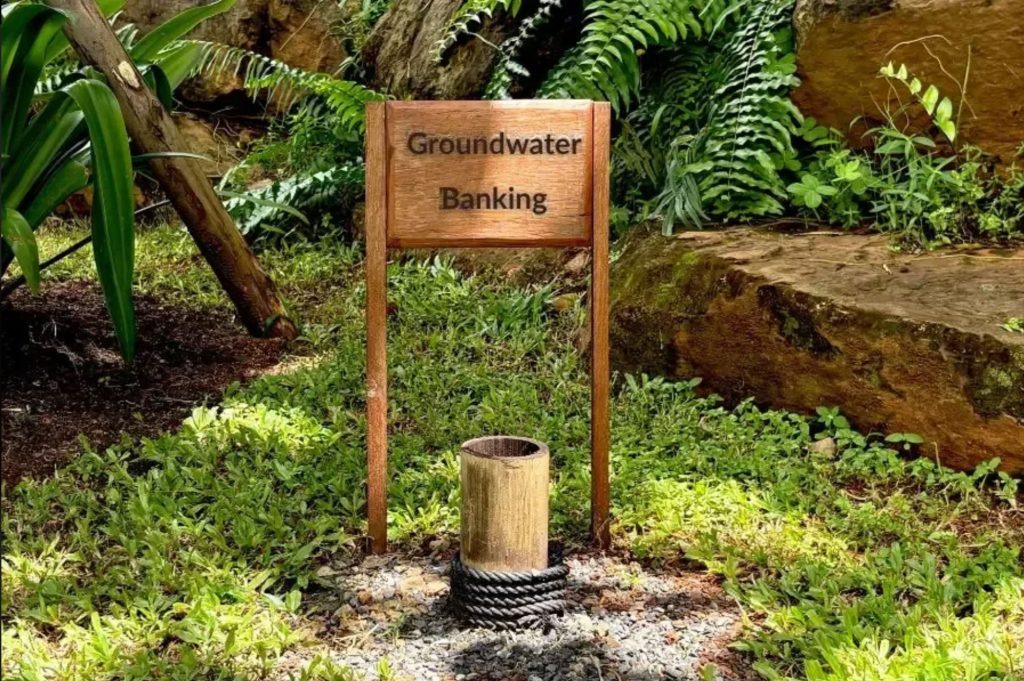
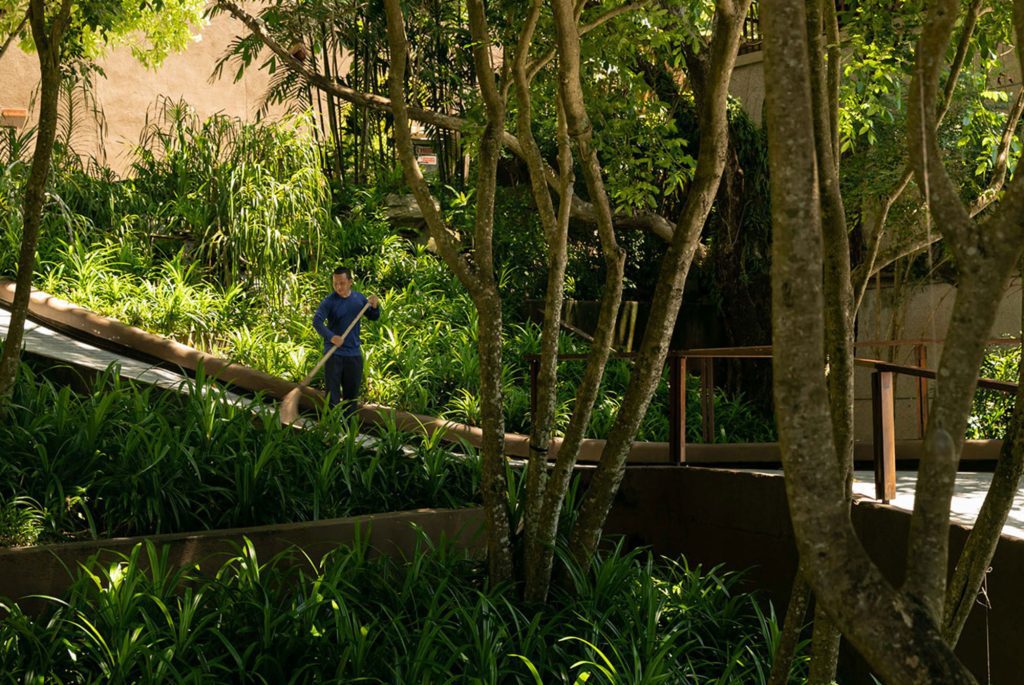
The hotel follows Thailand’s Bio-Circular-Green Economic Model, integrating environmental systems directly into its buildings and landscape. Its groundwater bank, constructed from recycled materials and bamboo, captures rain and surplus water during the wet season and stores it beneath the ground. Working entirely without electricity, the system gradually supplies moisture to plant roots, helps reduce the risks of flooding and drought, and naturally cools the surrounding soil.
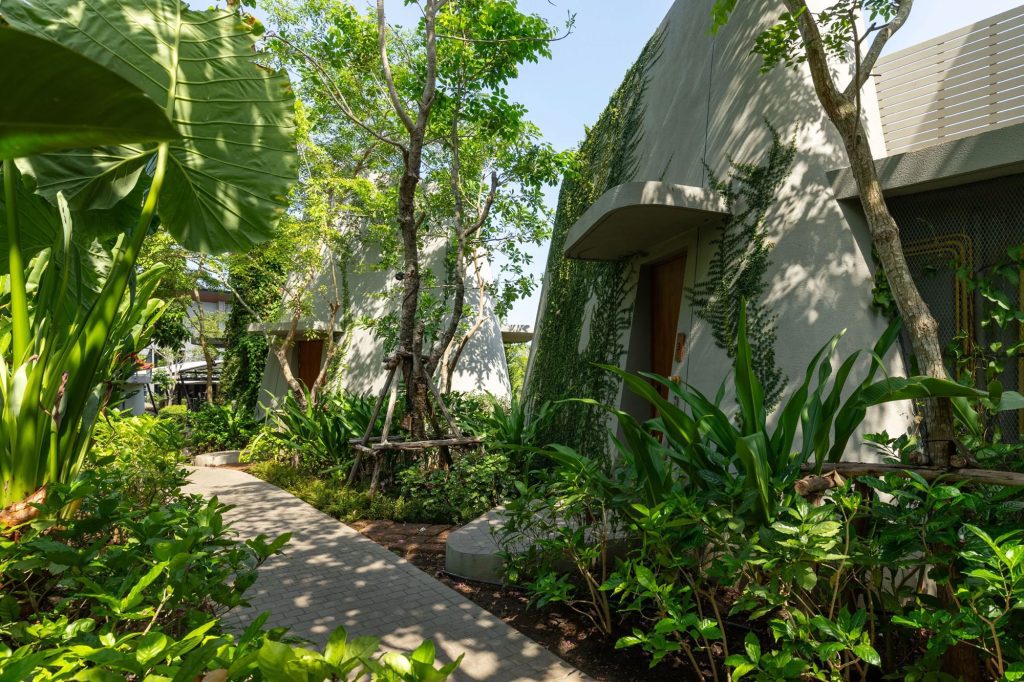
The architecture itself supports passive cooling. Buildings and walkways are positioned to make use of sea breezes, mountain shade and natural ventilation, reducing heat accumulation and the demand for mechanical cooling.
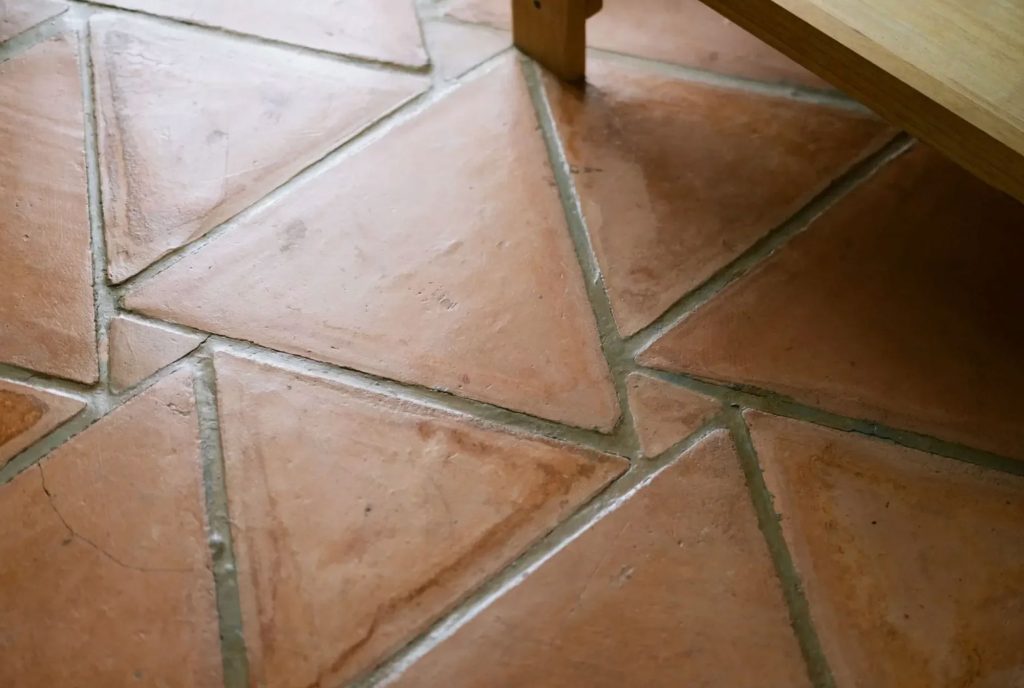
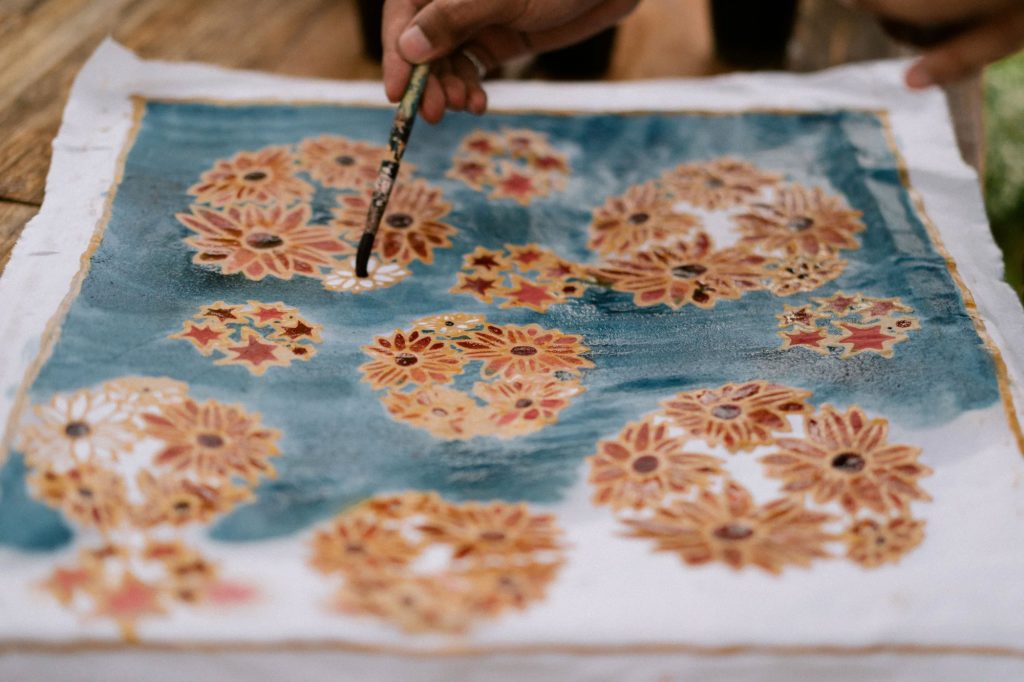
Material choices follow the same logic. Rather than using newly harvested timber, the hotel incorporates reclaimed teak, refurbished terracotta and repurposed ceramic waste. Even its sun-dried ceramic flooring avoids the additional energy normally required for kiln firing. Staff uniforms are made from 100% recycled fabric.
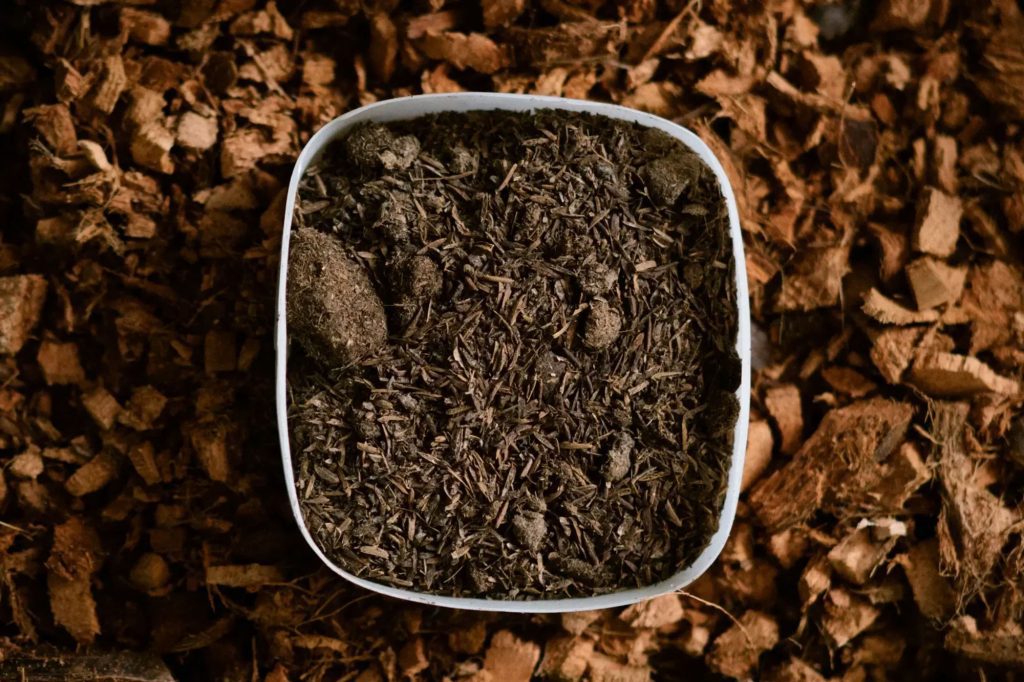
The circular system continues at Varana’s organic zero-kilometre farm. Food scraps and garden waste are composted into fertiliser, supporting the cultivation of chemical-free fruit, vegetables and herbs for the hotel’s restaurants.
At Varana, sustainability is not concealed behind the finished architecture. It is the architecture.
Find more information :
https://www.varanahotel.com/sustainability?utm_source=chatgpt.com
Paresa Resort Phuket
A Circular System Above the Andaman Sea
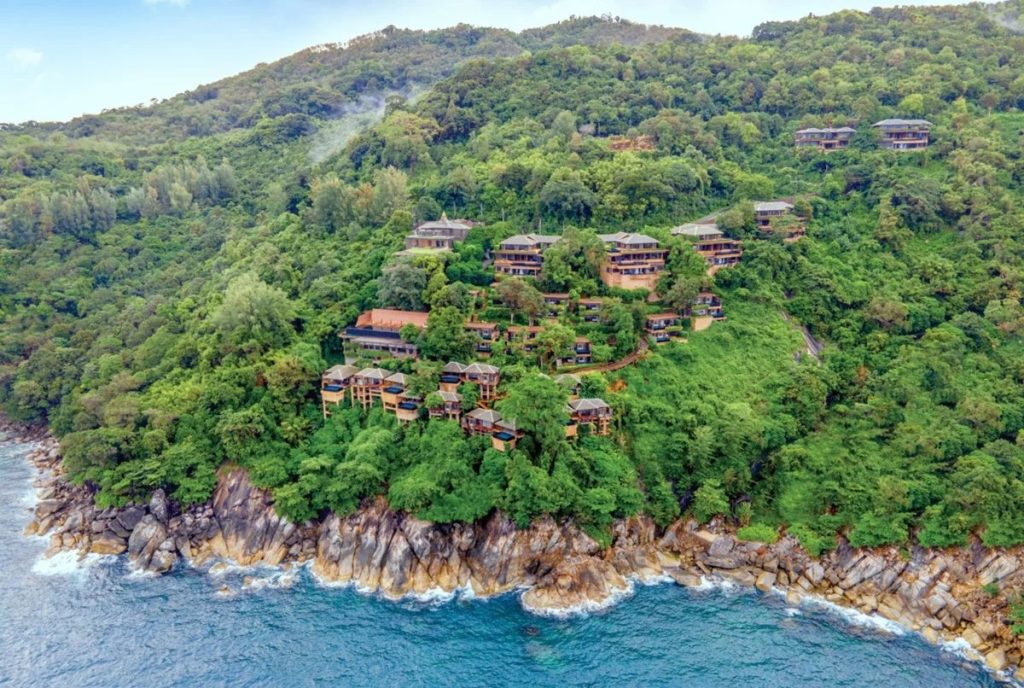
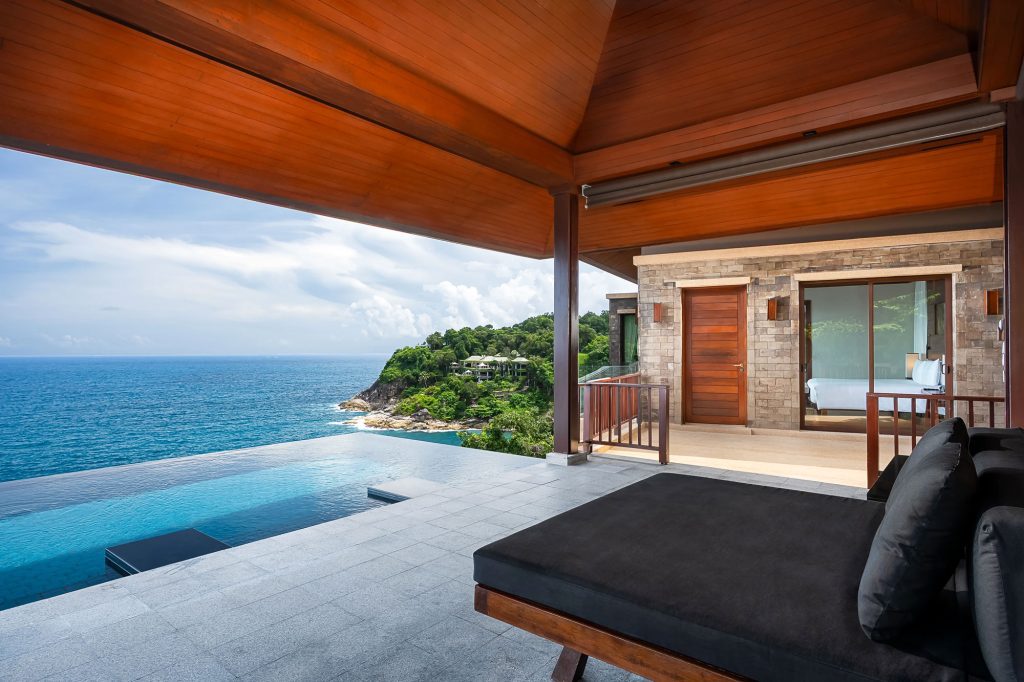
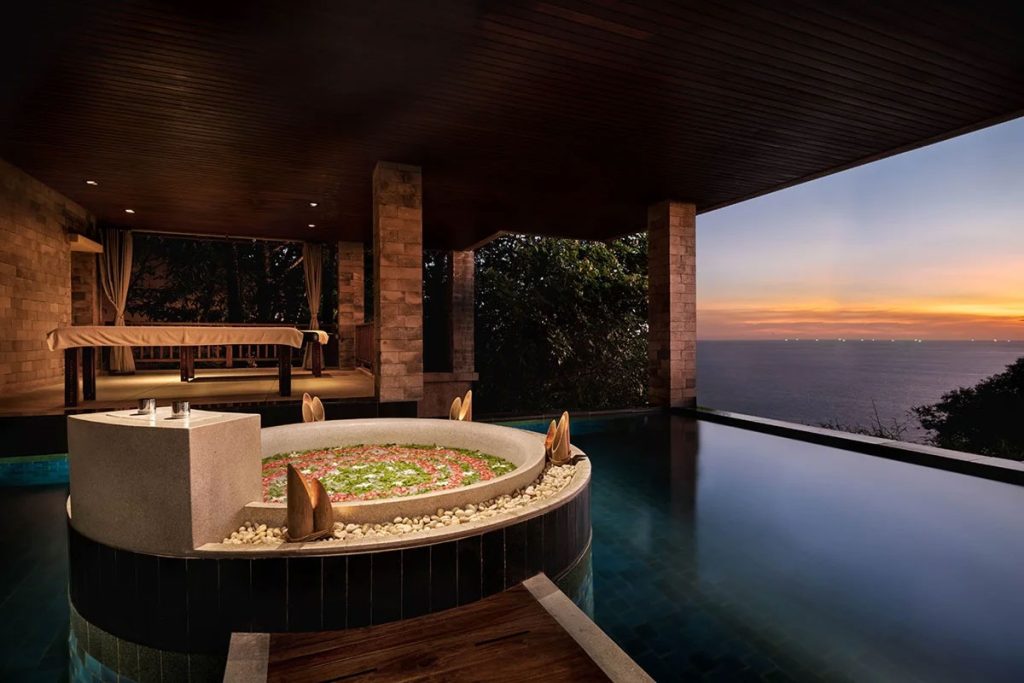
Perched on the forested cliffs of Kamala, Paresa Resort Phuket is known for secluded villas, open sea views and its “Heaven of All Heavens” philosophy. Yet behind this private luxury is a series of circular systems designed to reduce waste and return value to the surrounding community.
One of the resort’s most significant investments is its own drinking-water plant. Water is treated, purified and mineralised within the property before being bottled in reusable glass. This replaces the continual flow of single-use plastic bottles that would otherwise be required by a luxury resort.
Food waste is addressed through an earthworm farm. Organic matter is broken down into nutrient-rich vermicompost, while the resulting liquid is used as organic fertiliser throughout the resort’s tropical gardens. Waste that might have been transported to landfill is instead returned to the landscape as a useful resource.
Paresa’s circular thinking also extends beyond environmental systems. Through its collaboration with the Good Shepherd Phuket Town foundation, soap is given a renewed social value: the initiative helps generate income and support for disadvantaged and orphaned children in the local community.
The result is a model in which luxury, waste management and community responsibility are treated not as separate programmes, but as parts of the same operating system.
Find more information :

Sofitel Krabi Phokeethra
From Carbon Miles to Coastal Biodiversity
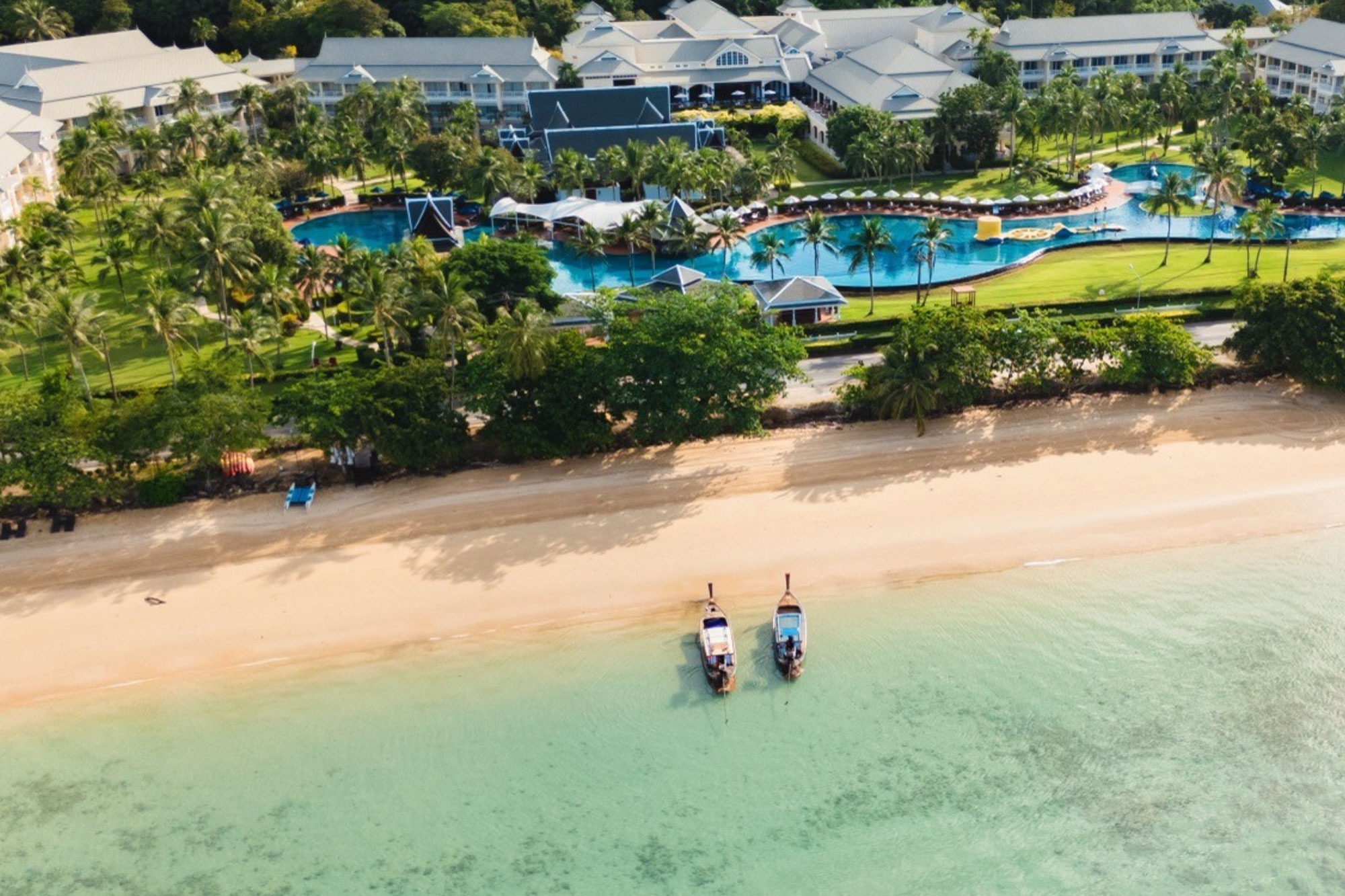
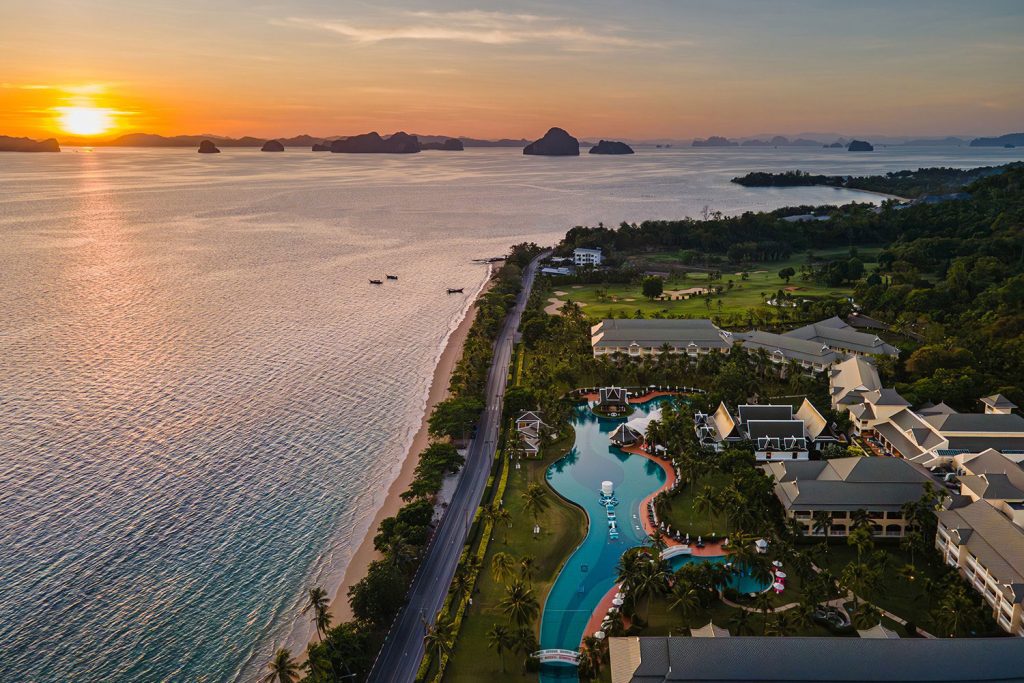
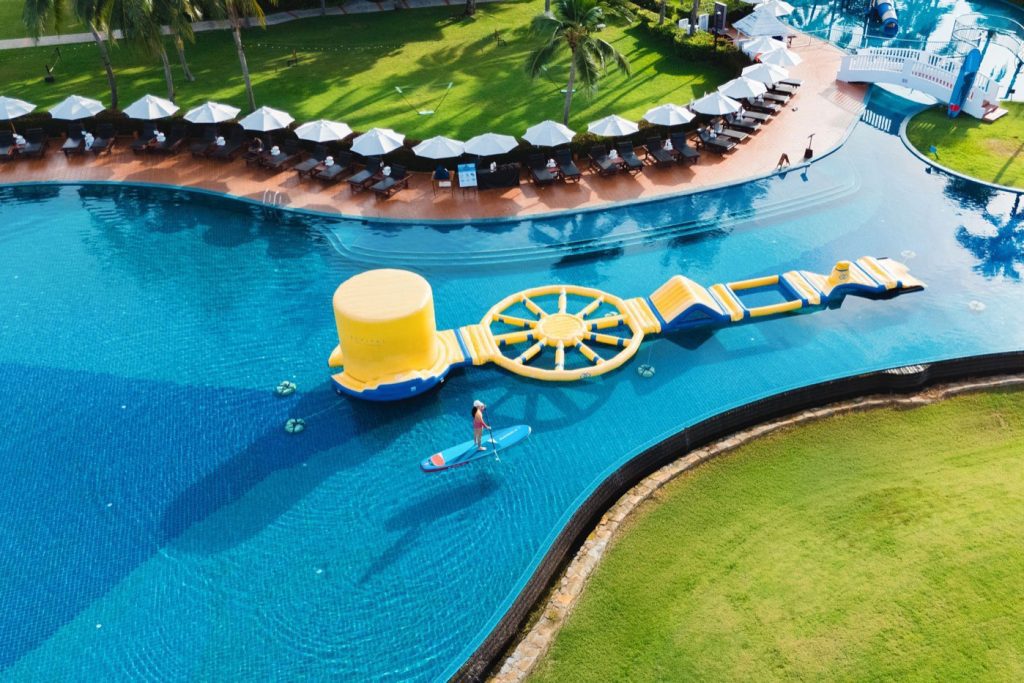
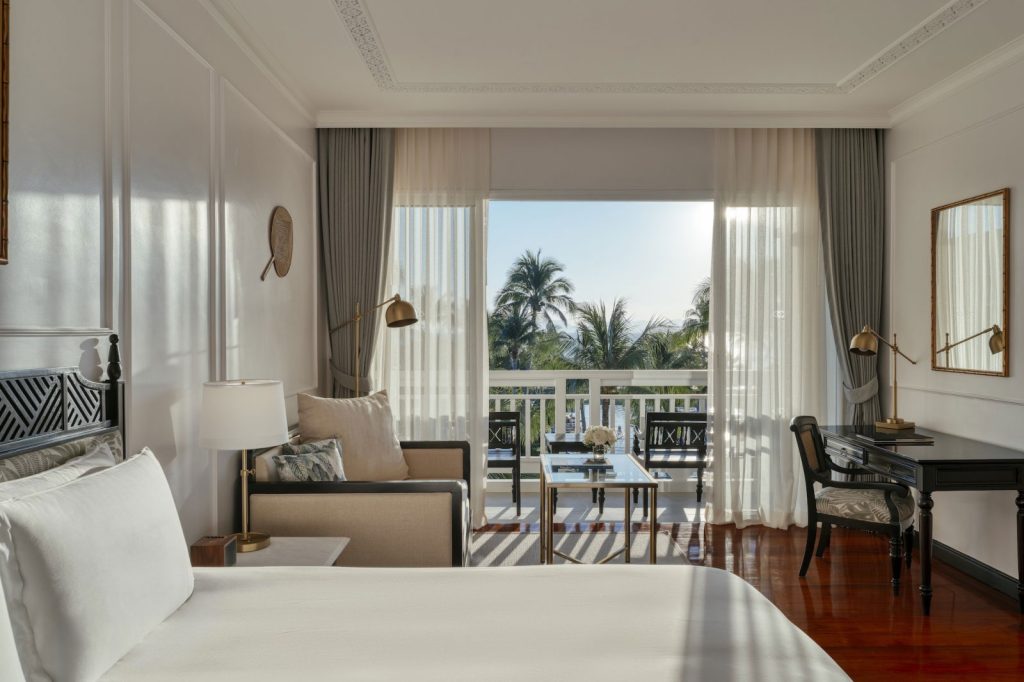
Facing the Andaman Sea at Klong Muang Beach, Sofitel Krabi Phokeethra combines a grand colonial-inspired resort setting with environmental work focused on carbon reduction, waste management and the ecosystems surrounding the property.
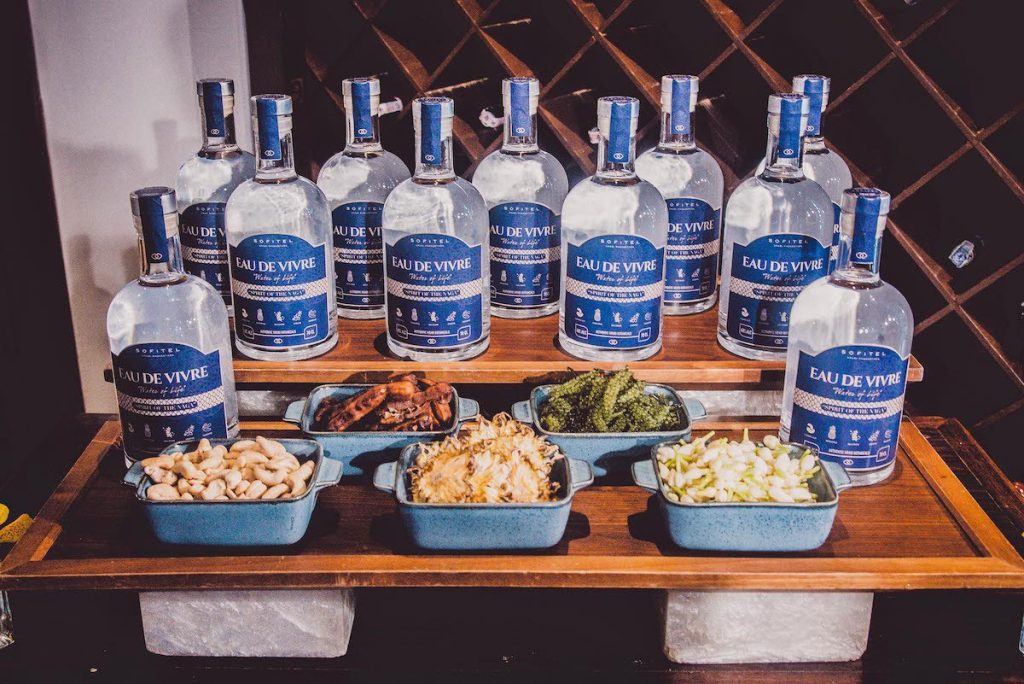
Its approach includes examining the distance travelled not only by guests, but also by what the hotel serves. One example is Eau de Vivre Sofitel Gin, distilled in Krabi from locally sourced botanicals. By producing it locally, the resort eliminates the air-freight emissions—or “air miles”—associated with importing an equivalent product from overseas.
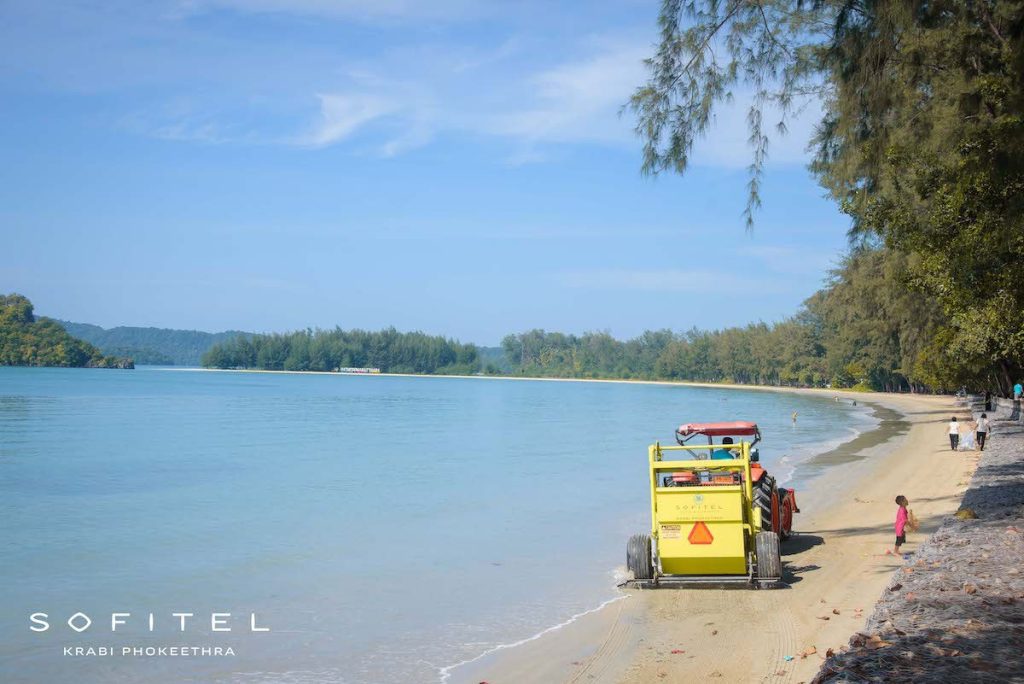
Beyond its operations, the resort invests directly in the coastline it occupies. Specialised beach-cleaning machinery removes plastic, marine debris and other waste washed ashore, helping prevent it from returning to the sea and affecting coastal habitats.
Within the resort grounds, the Phokeethra Nursery produces organic fertiliser for the gardens and supports an herb and spice garden alongside a dedicated butterfly garden. These spaces are more than decorative landscaping: they create small habitats for pollinators and contribute to biodiversity within a heavily developed hospitality environment.
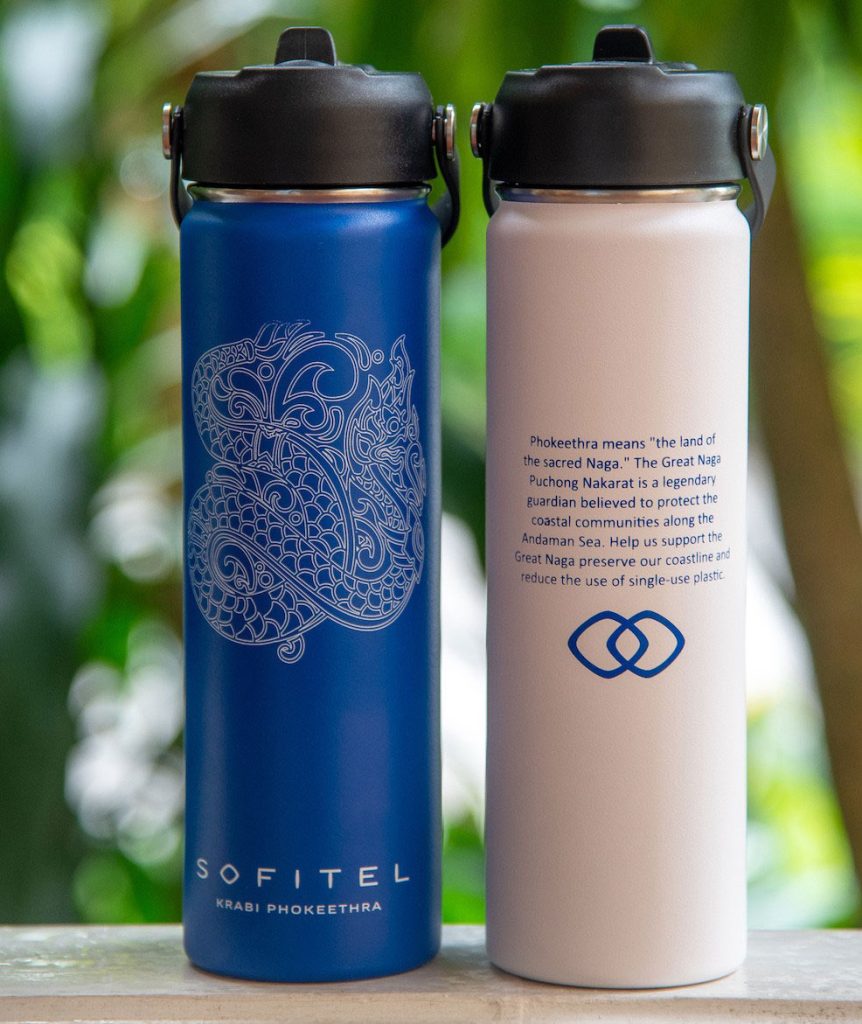
Together with the elimination of single-use plastics, these initiatives demonstrate an approach that considers the hotel not as an isolated property, but as part of a wider coastal ecosystem.
Find more information :
Beyond Being Less Harmful
The environmental conversation in hospitality has often focused on becoming less bad: using less water, producing less waste and emitting less carbon.
These three hotels point towards a more ambitious idea—creating more good. Water is returned to the landscape. Organic waste becomes fertile soil. local sourcing reduces transport emissions. Hotel operations support communities and create space for biodiversity.
The experience remains luxurious. What has changed is the meaning of luxury itself.
The new luxury is not defined only by what a hotel gives its guests, but also by what it gives back.
Discover more CF hotels , a Thailand collection of low-carbon tourism for a sustainable future.
Share


