
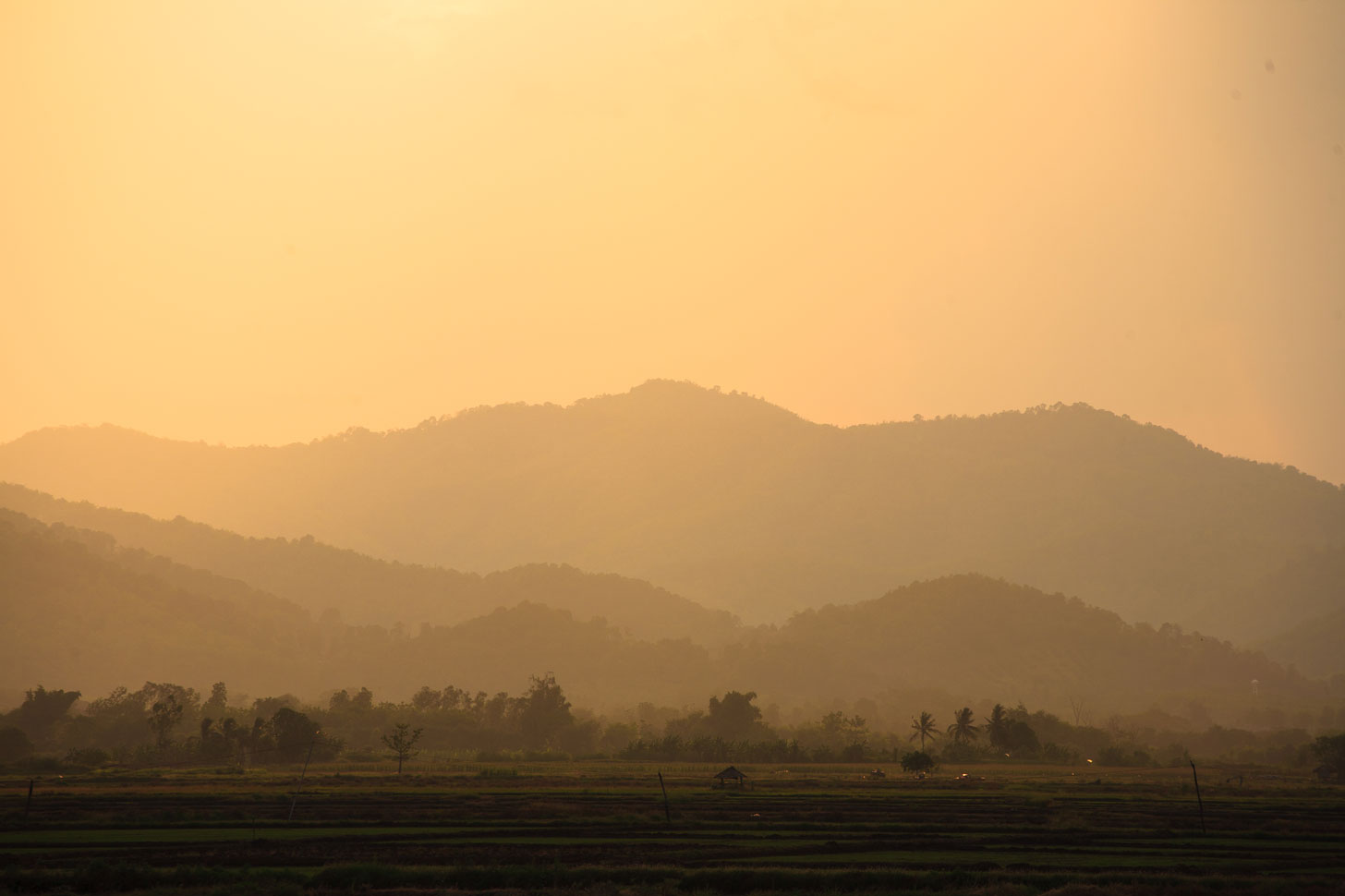
Where Time Moves with the Mountains
Some places are famous for a single attraction. Dan Sai is different.
Nestled among the forested mountains of Loei Province in northeastern Thailand, this peaceful mountain community reveals itself gradually. Ancient monuments stand quietly at the heart of the village, rice fields still shape everyday life, and winding roads lead to waterfalls, old temples, and landscapes that have changed little over generations.
Many travellers know Dan Sai for the colourful Phi Ta Khon Festival, yet beyond its annual celebration lies a destination that invites you to experience a slower, more authentic side of Thailand. Spend a few days here, and you’ll discover that the greatest reward is not checking off landmarks, but embracing the gentle rhythm of local life.
A Village Shaped by History and Living Traditions
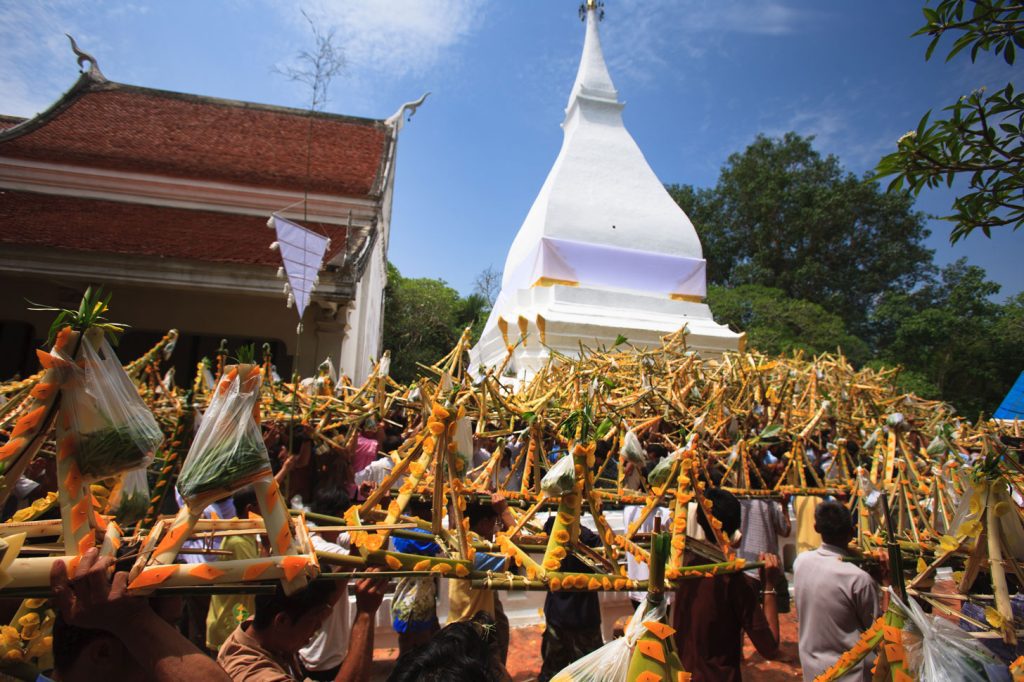
The spiritual heart of Dan Sai is Phra That Si Song Rak, a striking white stupa that has stood here for more than four centuries. Unlike most sacred monuments in Thailand, it is not a temple but a monument to peace. Built jointly by the kingdoms of Ayutthaya and Lan Xang during the sixteenth century, it commemorates an agreement between the two neighbouring kingdoms to respect one another’s borders—a remarkable story of diplomacy that still resonates today.
Every year, local people gather here to pay homage by carrying beautifully crafted Ton Phueng, elaborate beeswax offerings decorated with floral patterns. The ceremony is deeply rooted in local belief and remains one of the community’s most meaningful traditions.
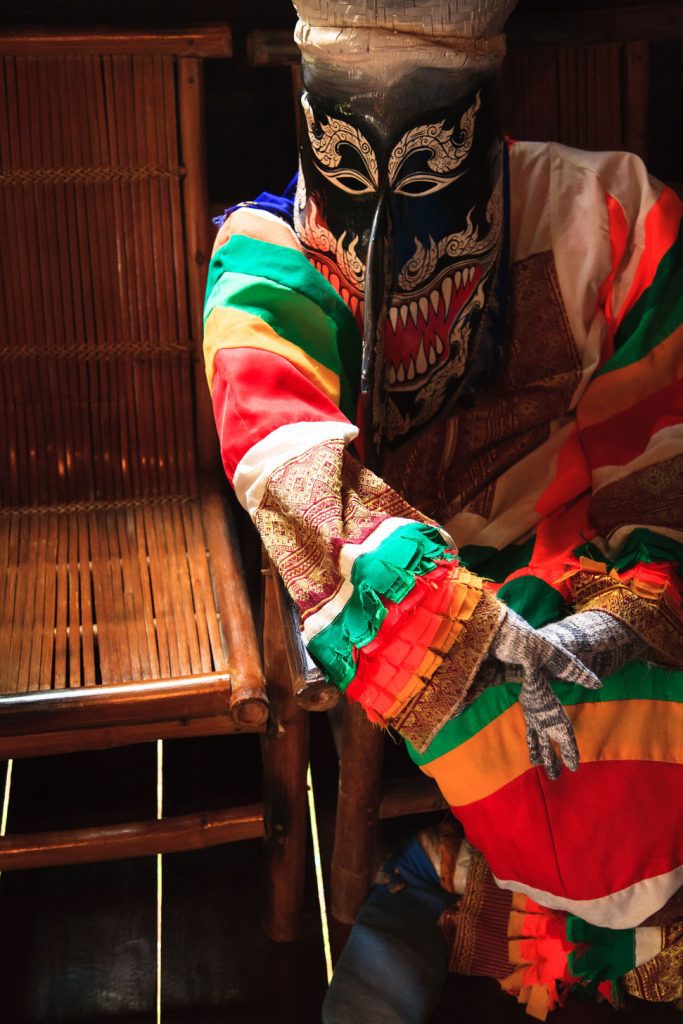
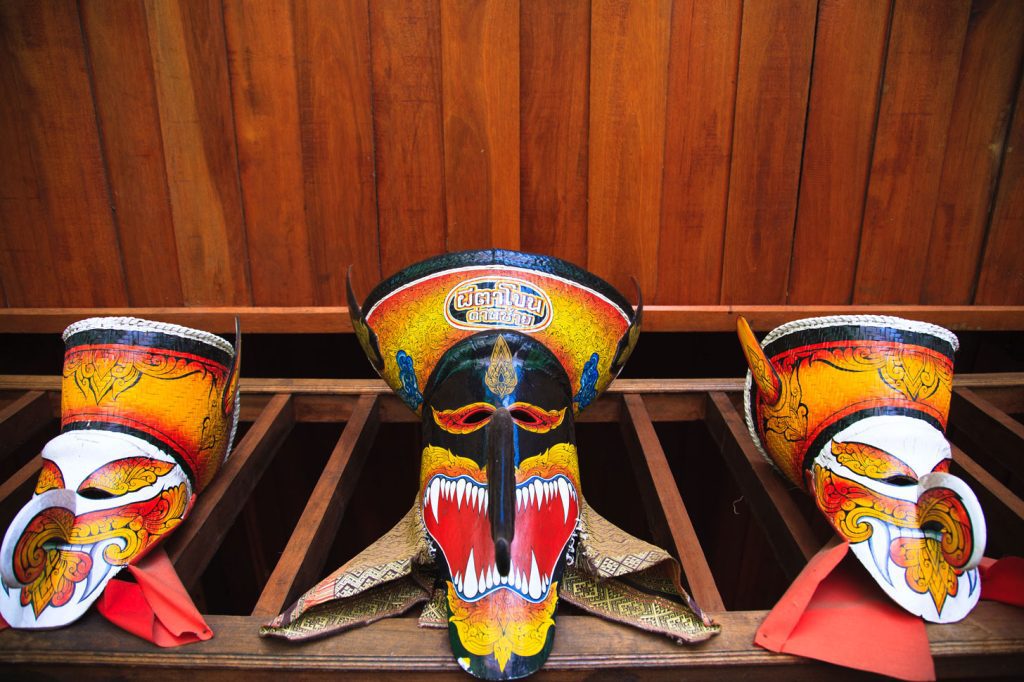
Dan Sai is also home to the famous Phi Ta Khon tradition, one of Thailand’s most distinctive cultural celebrations. Outside the festival season, visitors can still explore its fascinating history at the Phi Ta Khon Museum, where handcrafted masks made from sticky rice steamers and coconut husks tell the story of a centuries-old folk tradition that continues to be passed from one generation to the next.
Together, these traditions reveal a community that values its heritage—not as something preserved behind glass, but as a living part of everyday life.
Living at the Pace of the Rice Fields
One of the greatest pleasures of visiting Dan Sai is simply slowing down.
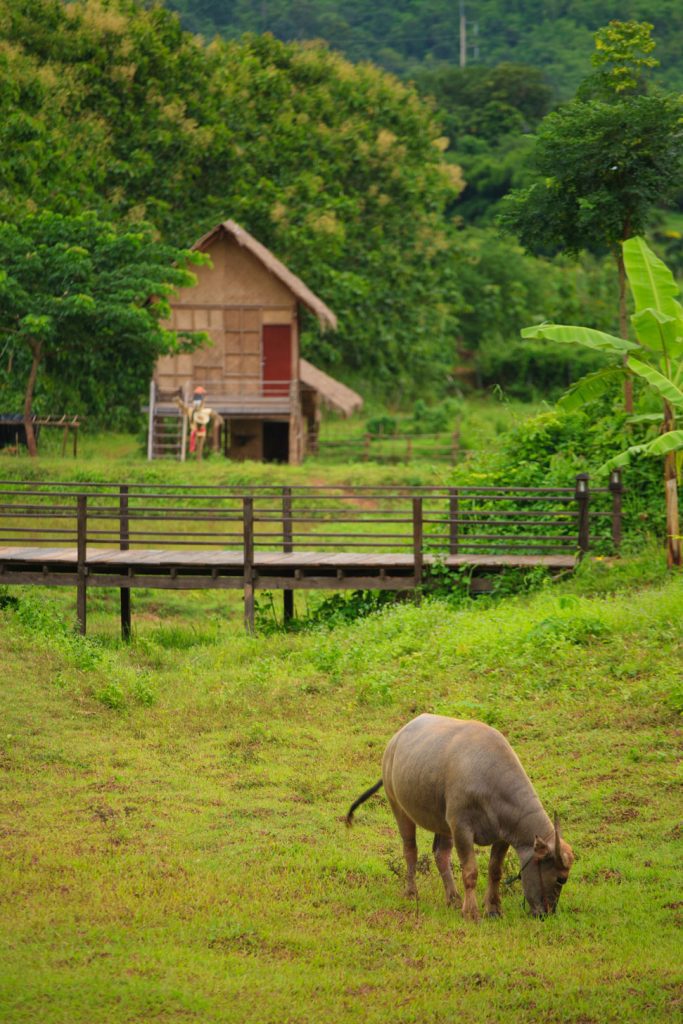
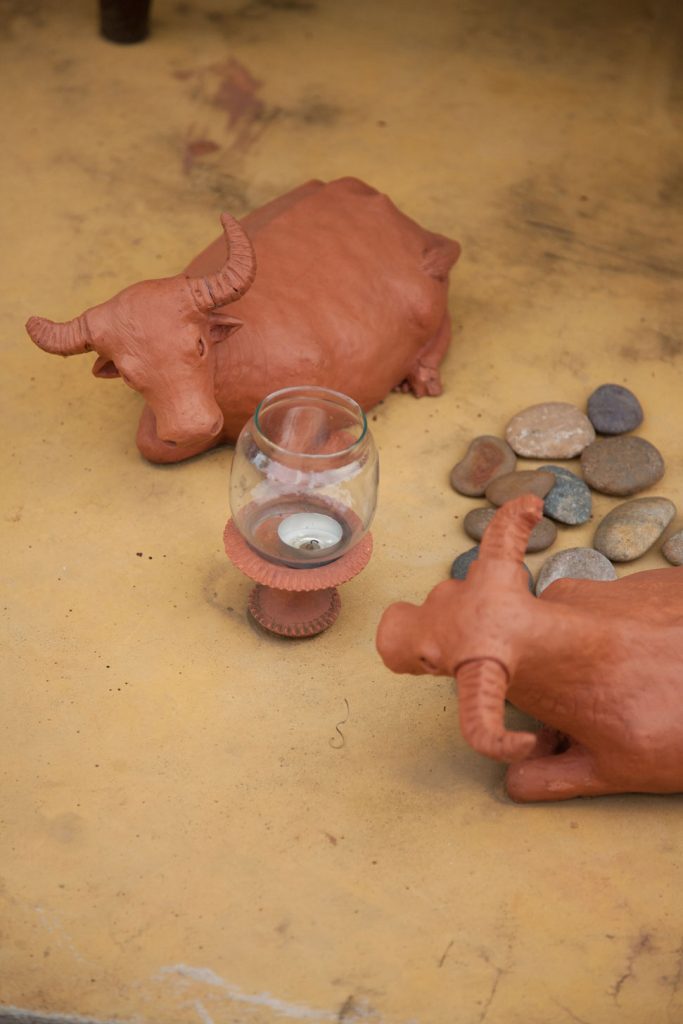
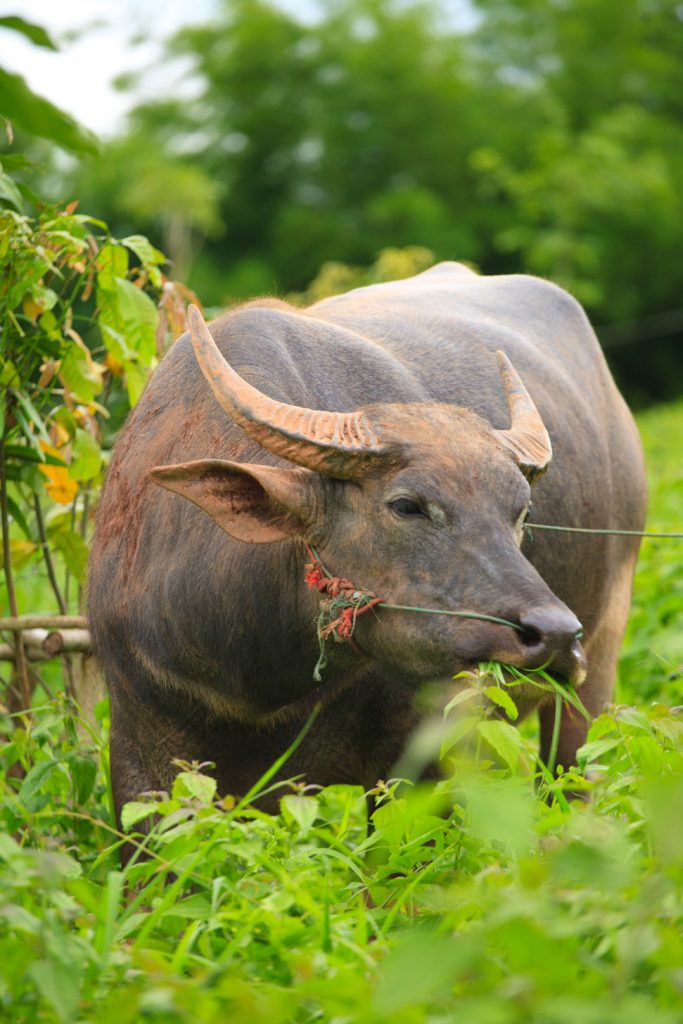
Morning mist drifts across the rice paddies, water buffaloes graze quietly in the fields, and life unfolds at a pace dictated more by the seasons than by the clock. Rather than rushing from one attraction to another, visitors are encouraged to become part of this landscape, even if only for a day or two.
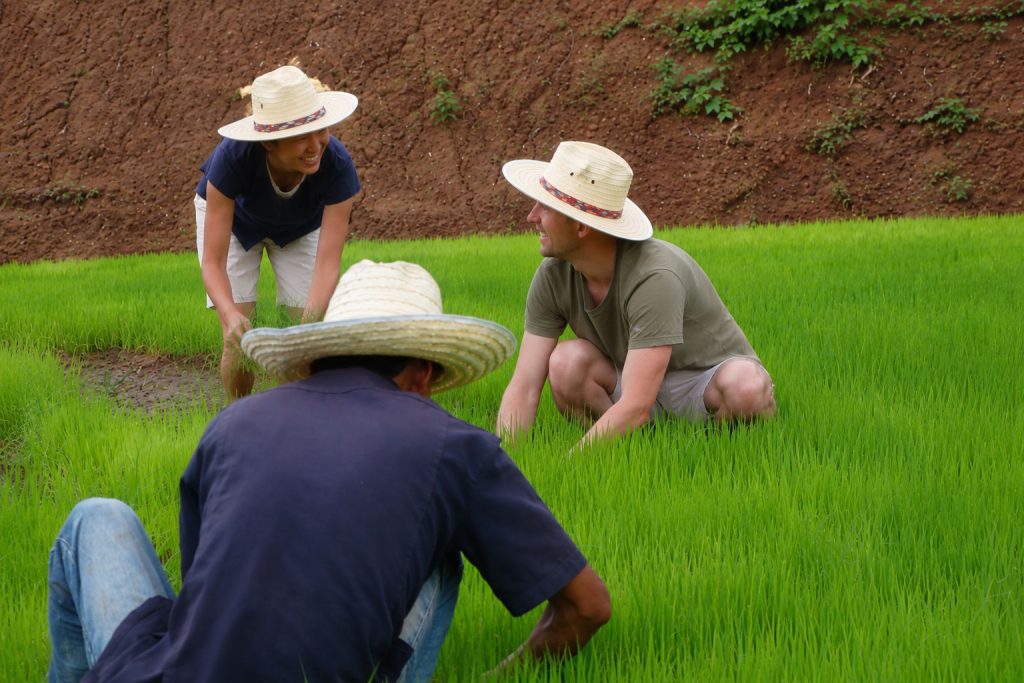
Depending on the season, you may have the chance to join local farmers planting young rice seedlings or harvesting mature crops. These simple experiences offer a genuine connection to rural Isan life and a deeper appreciation of the people whose livelihoods remain closely tied to the land.
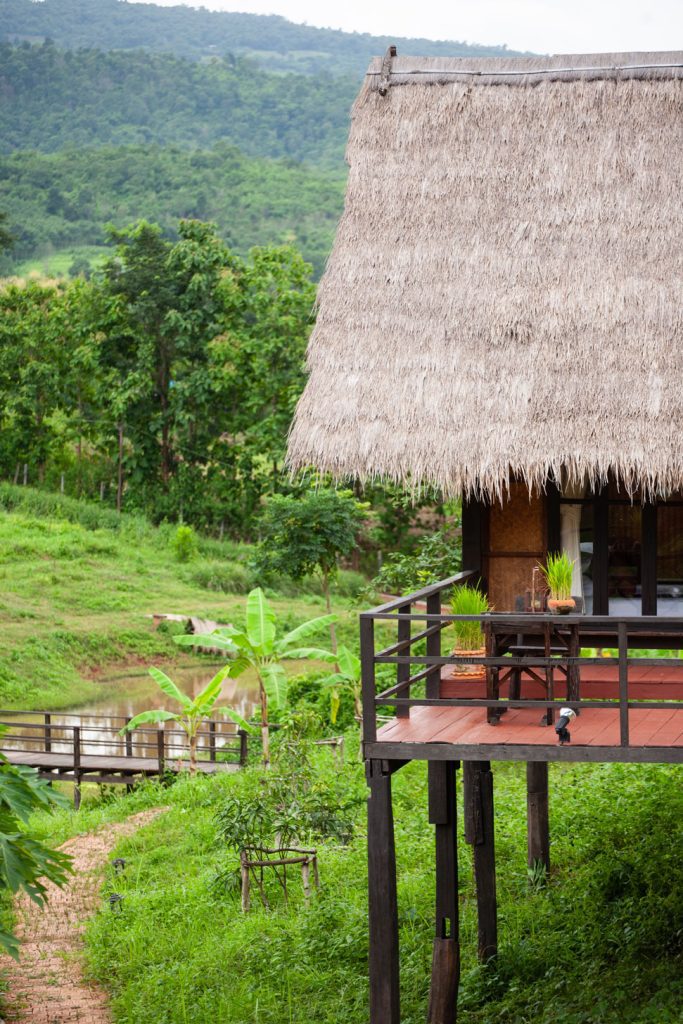
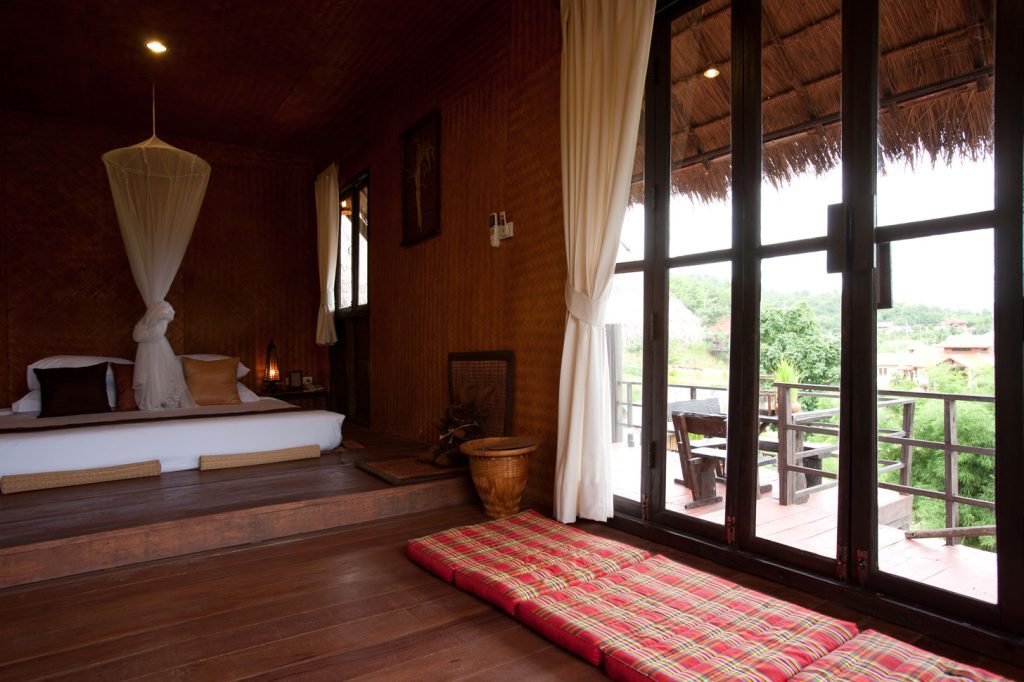
This experience can be enjoyed at Phu Na Come Resort, where traditional rice-field surroundings are thoughtfully combined with comfortable accommodation. The resort is designed not as a retreat separated from the countryside, but as a place that allows guests to wake up in the middle of it.
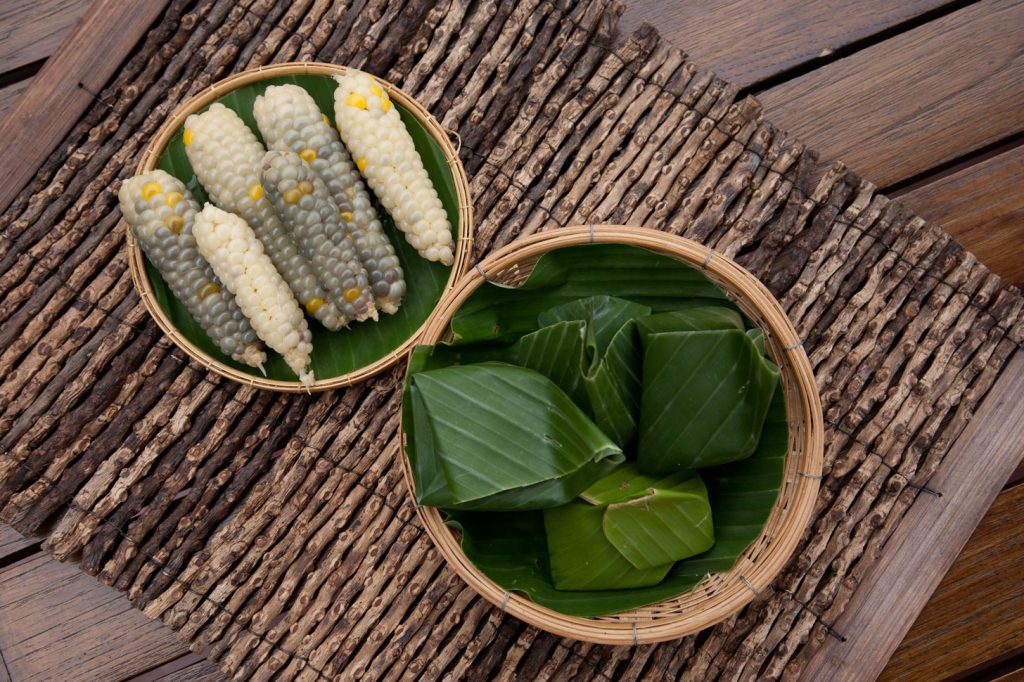
While you’re there, don’t miss Khao Phot Tak Ngai, Dan Sai’s famous local sweet corn. Grown in the cool mountain climate surrounding the village, it is celebrated for its remarkably crisp texture, juicy kernels, and natural sweetness—a simple local ingredient that perfectly reflects the richness of the area’s agricultural heritage.
Following the Road to Na Haeo
The journey doesn’t end in Dan Sai.
A scenic mountain road continues west towards Na Haeo, passing forests, traditional villages, and some of Loei’s most rewarding hidden attractions.
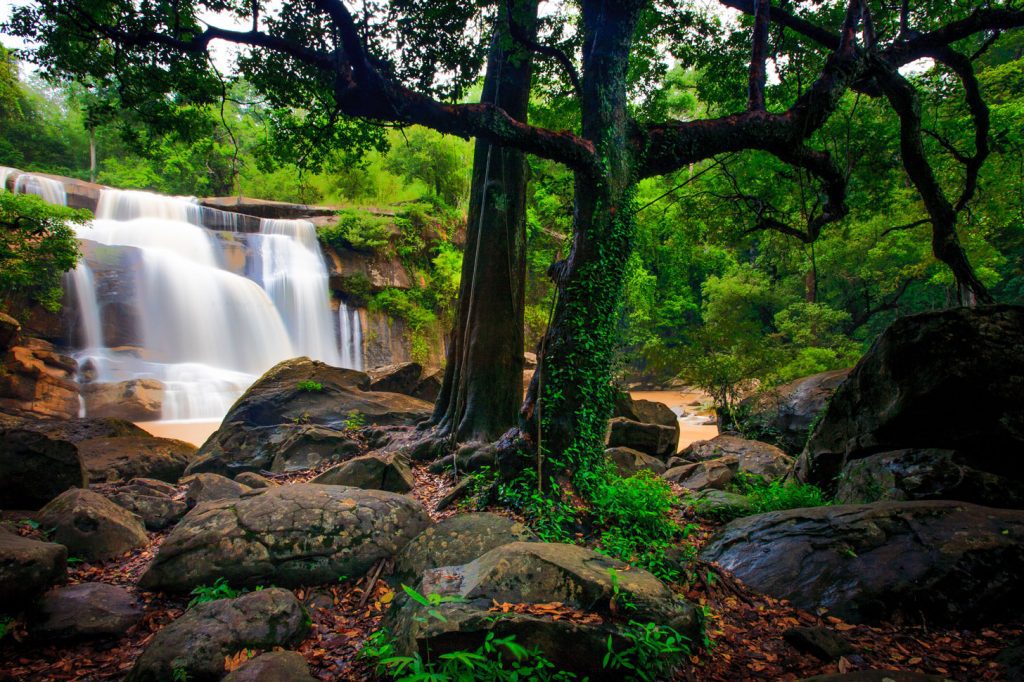
One of the highlights is Tat Hueang Waterfall, where the river forms part of the natural border between Thailand and Laos. Here, broad sheets of water tumble over layered rock formations beneath the shade of mature forest, creating a peaceful setting that feels refreshingly untouched.
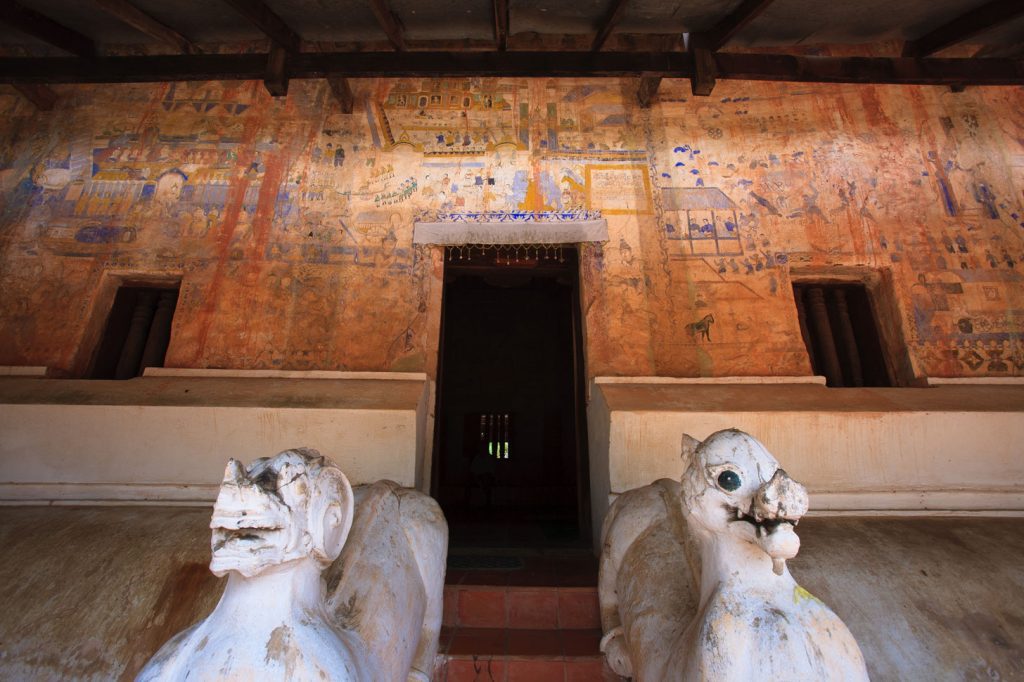
Along the same route, a worthwhile detour leads to Wat Pho Chai in Ban Na Phueng. Hidden within this quiet village is a beautifully preserved sim, the traditional ordination hall of northeastern Thailand. Dating back several centuries, it houses faded yet captivating mural paintings that depict Buddhist teachings alongside scenes from everyday village life. Time has softened their colours, but only deepened their character, making them one of the region’s most remarkable examples of Isan heritage.
For travellers willing to leave the main tourist routes behind, the road from Dan Sai to Na Haeo offers something increasingly rare: a journey through landscapes where history, nature, and local life continue to exist in quiet harmony.
Quick Info :
Dan Sai is a peaceful mountain community in Loei Province, located about 85 km west of Loei town. By car, the journey from Bangkok takes approximately 6.5–7 hours via Phetchabun – Lom Sak – Dan Sai. Alternatively, direct intercity buses operate daily from Bangkok (Mo Chit Bus Terminal) to Dan Sai, continuing onward to Phu Ruea, making the community easy to reach even without a car.
Phra That Is Song Rak
https://maps.app.goo.gl/2TYHxXew1Y1Ak56n7
Phu Na Come Resort
https://maps.app.goo.gl/7iaGcTXuMTKpU1vH9
phunacomeresort.com
Phi Ta Khon Dan Sai Museum
https://maps.app.goo.gl/4QfjmVsYdTMYyx9v7
Phi Ta Khon Festival
is usually held every year in June at Wat Phon Chai in Dan Sai District, Loei Province.
For more details about festivals in Thailand, visit :
www.thailandfestival.org
Tat Huang Waterfall
https://maps.app.goo.gl/NPc3v7v8iWrQSXc47
Wat Pho Chai
https://maps.app.goo.gl/t6dTmpaMJz4usWYZ7
Share


